THE ACTIVATED CLASSROOM
Margolis Method Fundamentals for Educators
a new self-paced online course with Kari Margolis and company
Take the mystery out of acting with concrete, embodied tools you can integrate directly into your own practice and pedagogy.
End-of-School-Year Discount Ends May 31
End-of-School-Year Discount Ends May 31
◉KEY BENEFITS
Transform your classroom.
Margolis Method Fundamentals for Educators offers more than a way to train students physically. It provides practical tools to open the voice, expand the imagination, and bring fresh perspectives to text interpretation, directing, and theatrical composition. The following six core benefits sit at the heart of the course.

Awaken the Actor’s Instrument
Unite physical, emotional, and intellectual life to unlock immediate, vivid, and playable imagination in students.

Build Creative Confidence
Free students from the paralysis of uncertainty with reliable, dramatic structures they can always return to.

Break Habitual Patterns
Identify and release the tendencies and social patterns that keep students stuck in imitation and generalization.

Move Beyond Self-Expression
Help students shape raw instinct into crafted choices that create compelling, story-driven characters.

Strengthen Artistic Exchange
Deepen peer-to-peer interaction with language that helps students articulate process and challenges with agency.

Cultivate Generative Actors
Equip students to own their process and carry the spark of rehearsal discoveries into repeatable performance.

◉ RECONNECT WITH YOUR OWN PRACTICE
Feed your artistic soul.

The Activated Classroom invites you to experience the work as an embodied artist first, then translates that experience into concrete tools you can teach with confidence.
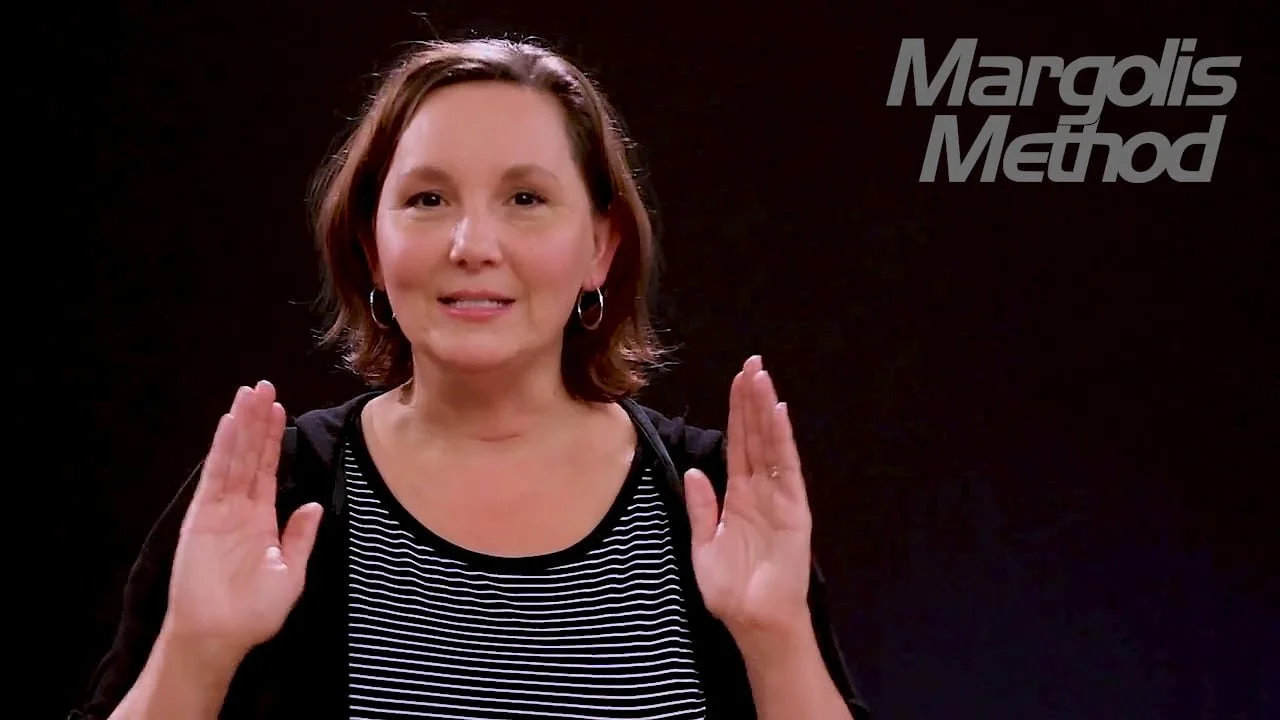
“I feel very empowered as a teacher.”
— Kymberly Mellen, Assistant Professor of Acting, UNLV
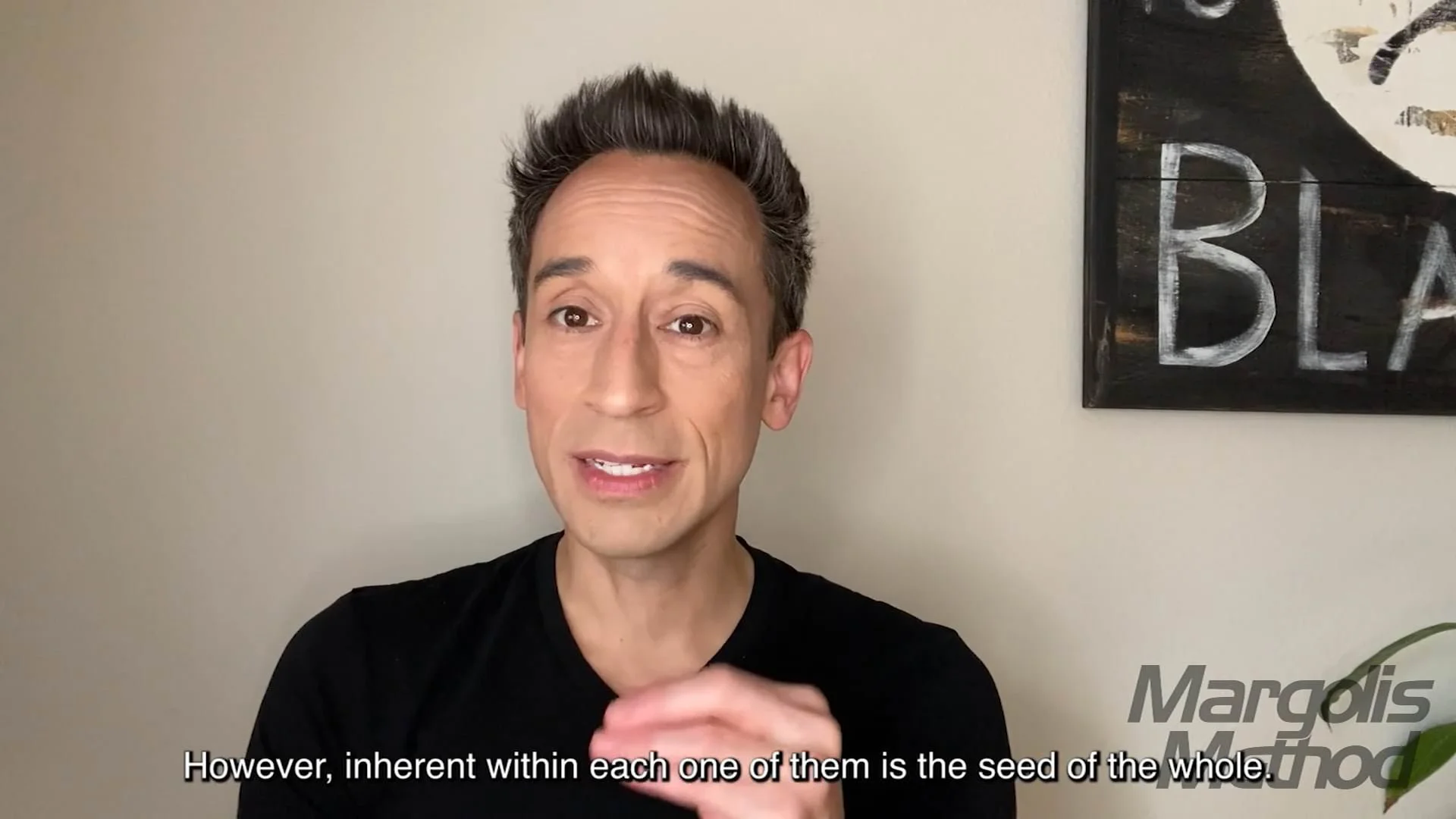
“My students are able to own their experience.”
—Blake Hackler, Head of Acting, SMU Meadows
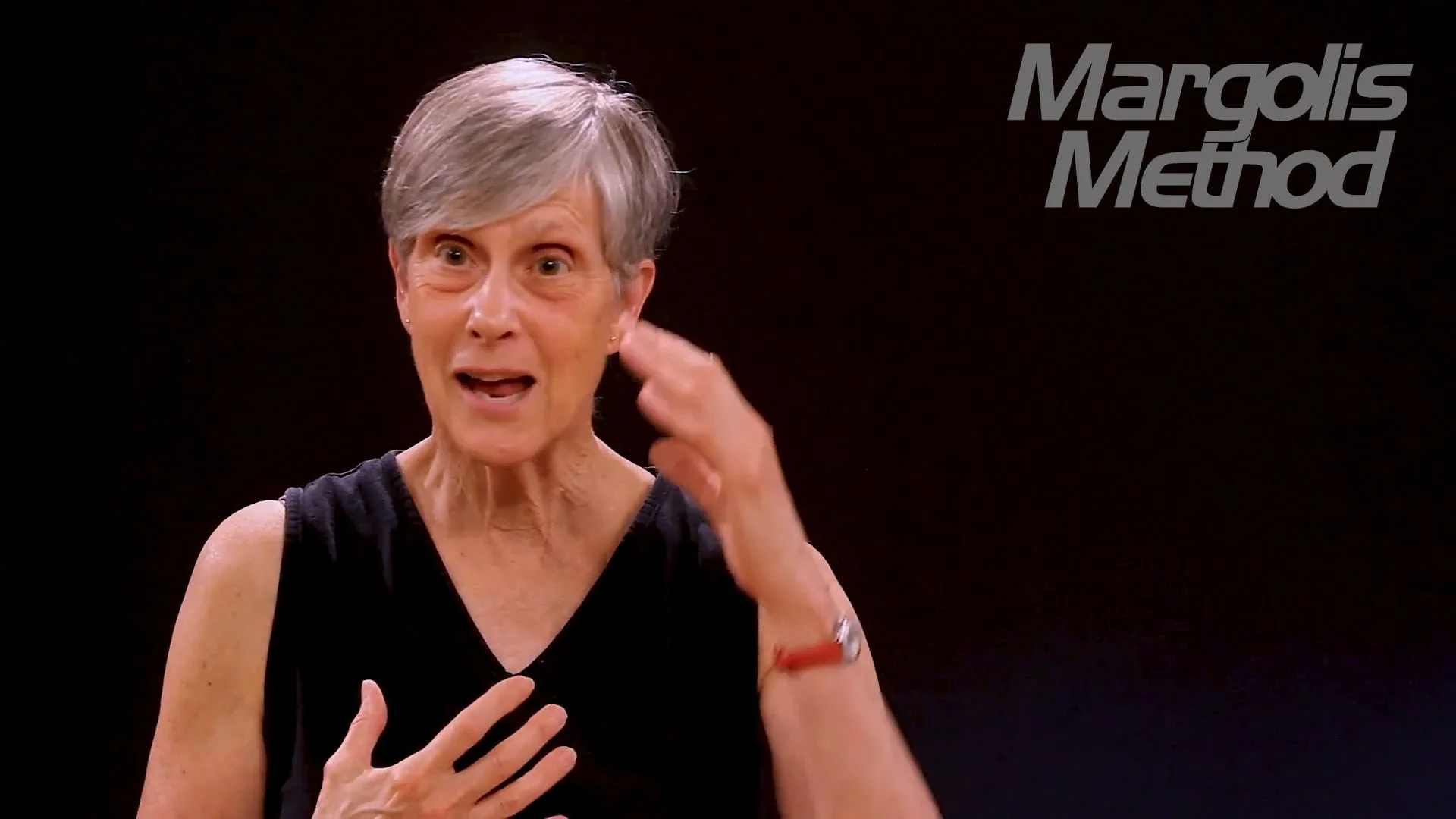
“I knew something was missing…”
— Denise Myers, Theatre Professor, Millikin University
◉ BACKED BY EXPERIENCE
A living practice proven over time.
The Activated Classroom grows out of more than four decades of Kari Margolis’ teaching and creating across universities, training programs, and theatre companies around the world.
Every exercise and improvisational structure in Margolis Method has been developed in direct response to the needs of students and working artists. What proved effective in practice has been refined through time and lived experience.
42
Years of Teaching and Research
15
Years of Online
Training
60+
University and Theatre
Residencies
56
Certified Educators
Worldwide
10K+
Students and Artists
Impacted
Join a vibrant, ever-growing artistic community.
◉ABOUT MARGOLIS METHOD
Create theatre with every breath.
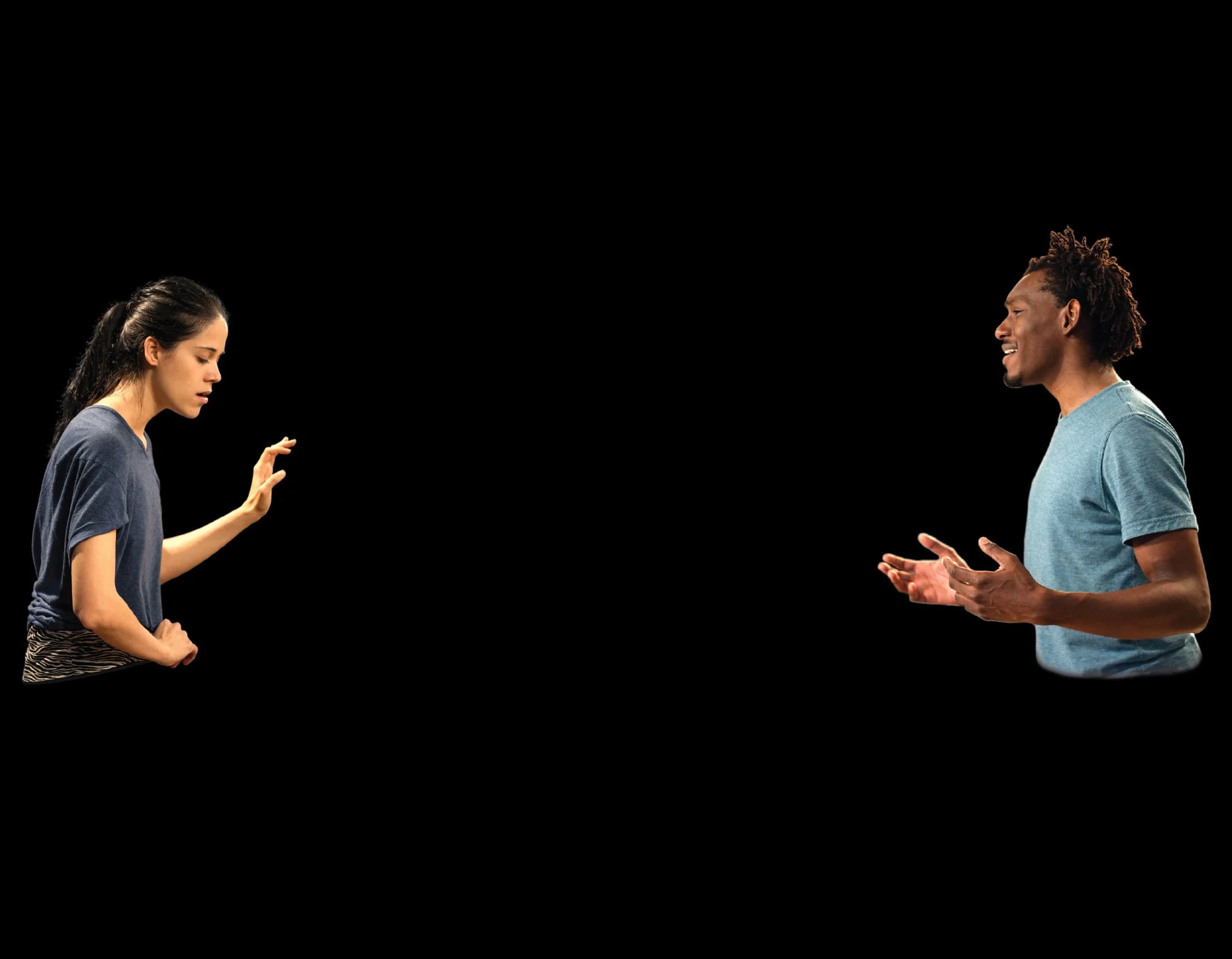
Margolis Method is a comprehensive actor training that merges physical, vocal, and intellectual expression. Rooted in universal principles of physics, it creates a concrete framework for developing responsive, theatrically dynamic performers.
Every exercise and improvisation synthesizes the skills of actor, director, and playwright, expanding the performer’s role within the creative process. With the audience’s perspective always in mind, the training provides a systematic approach to daily practice and theatre-making, both collectively and independently.
It makes the invisible teachable.
Margolis Method offers physical
pathways that organically generate emotional states, replacing general prompts like “be more vulnerable” with tangible tools for embodied practice.
It changes the culture of feedback.
Margolis Method’s rich vocabulary for offering and receiving feedback is grounded in observation rather than personal opinion, making communication objective and creatively energizing.

Margolis Method is not a style to imitate.
It is a training system that strengthens performance across theatrical approaches and aesthetics, supports diverse learners, and fosters a more trauma-informed pedagogy.
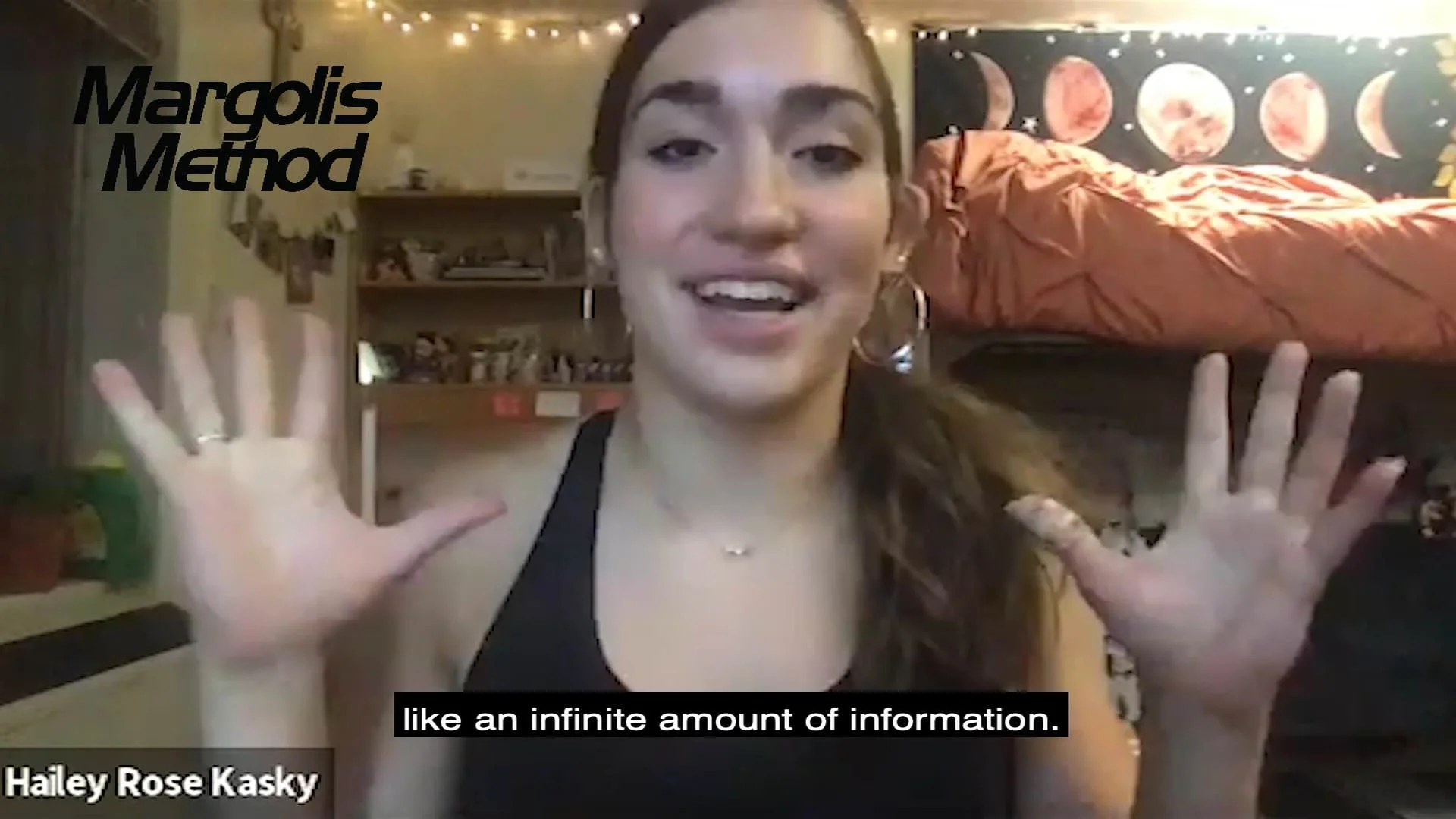
"…an infinite amount of information."
—Hailey Rose Kasky, Student, Millikin University
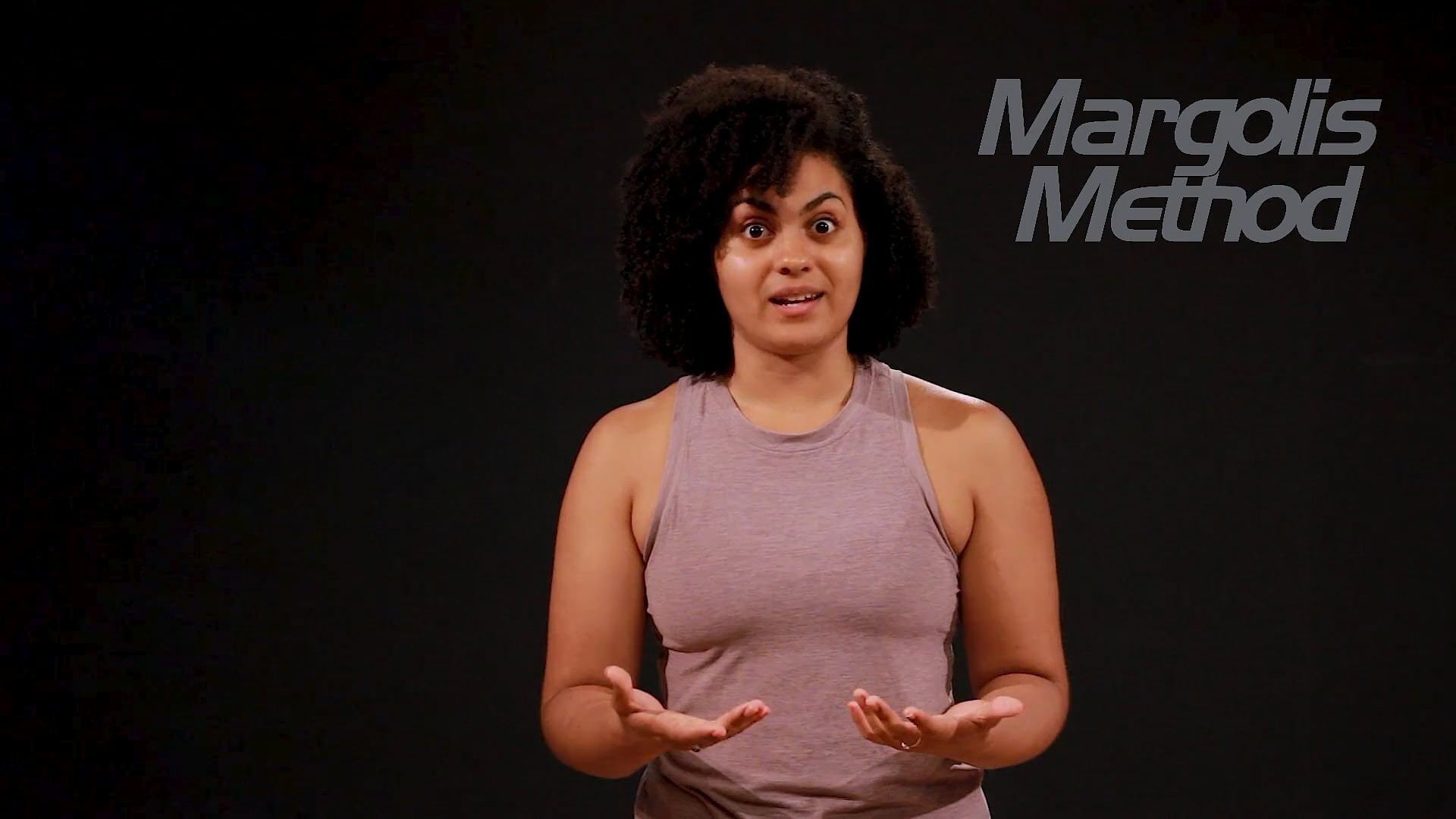
“It changed my trajectory.”
—China Brickey, Equity Actor, Minneapolis
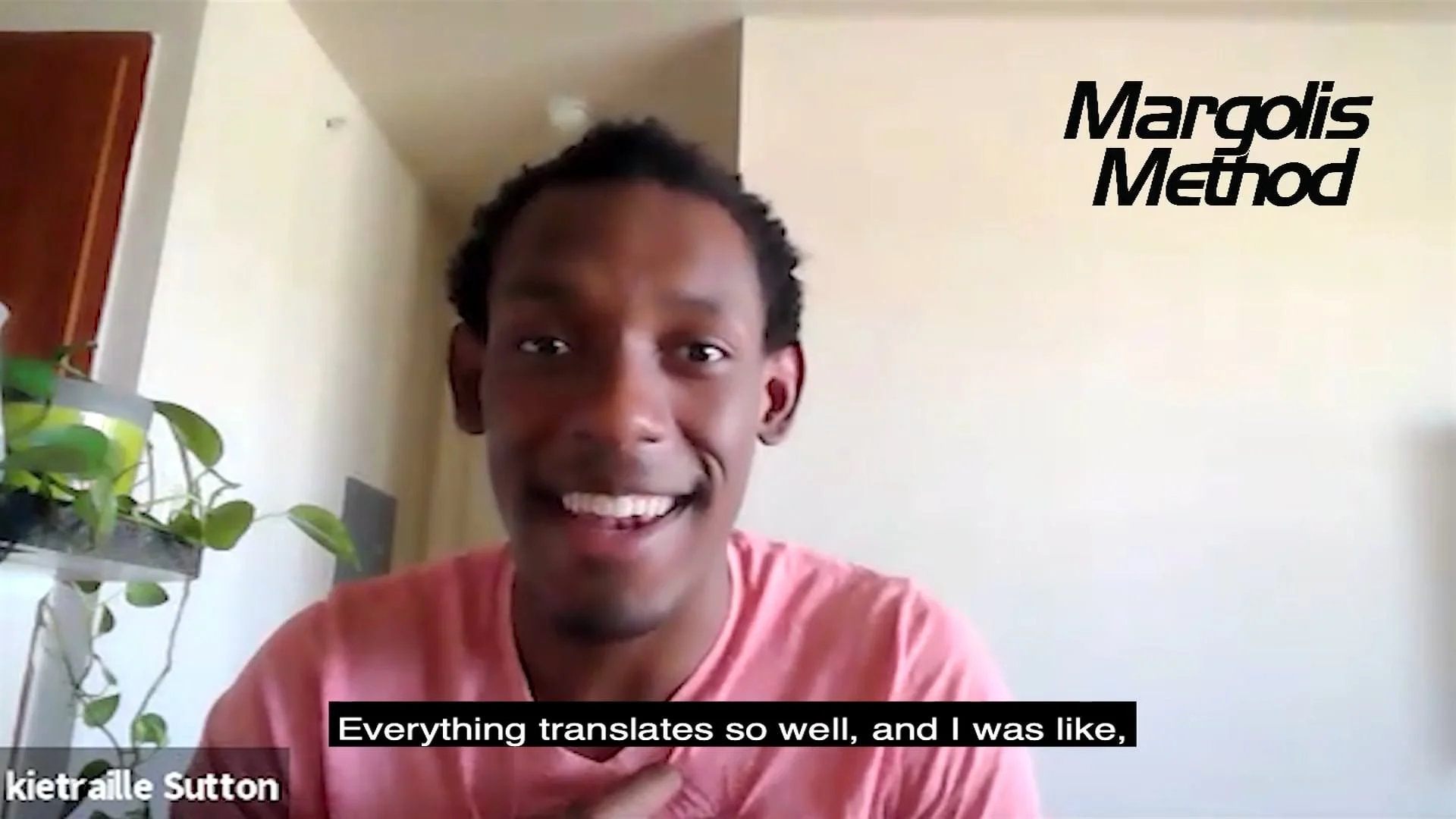
“It’s at the forefront of everything I do.”
— Kietraille Sutton, Grad Student, TTU
◉ WHAT’S INSIDE
Activate your classroom in 10 sessions.
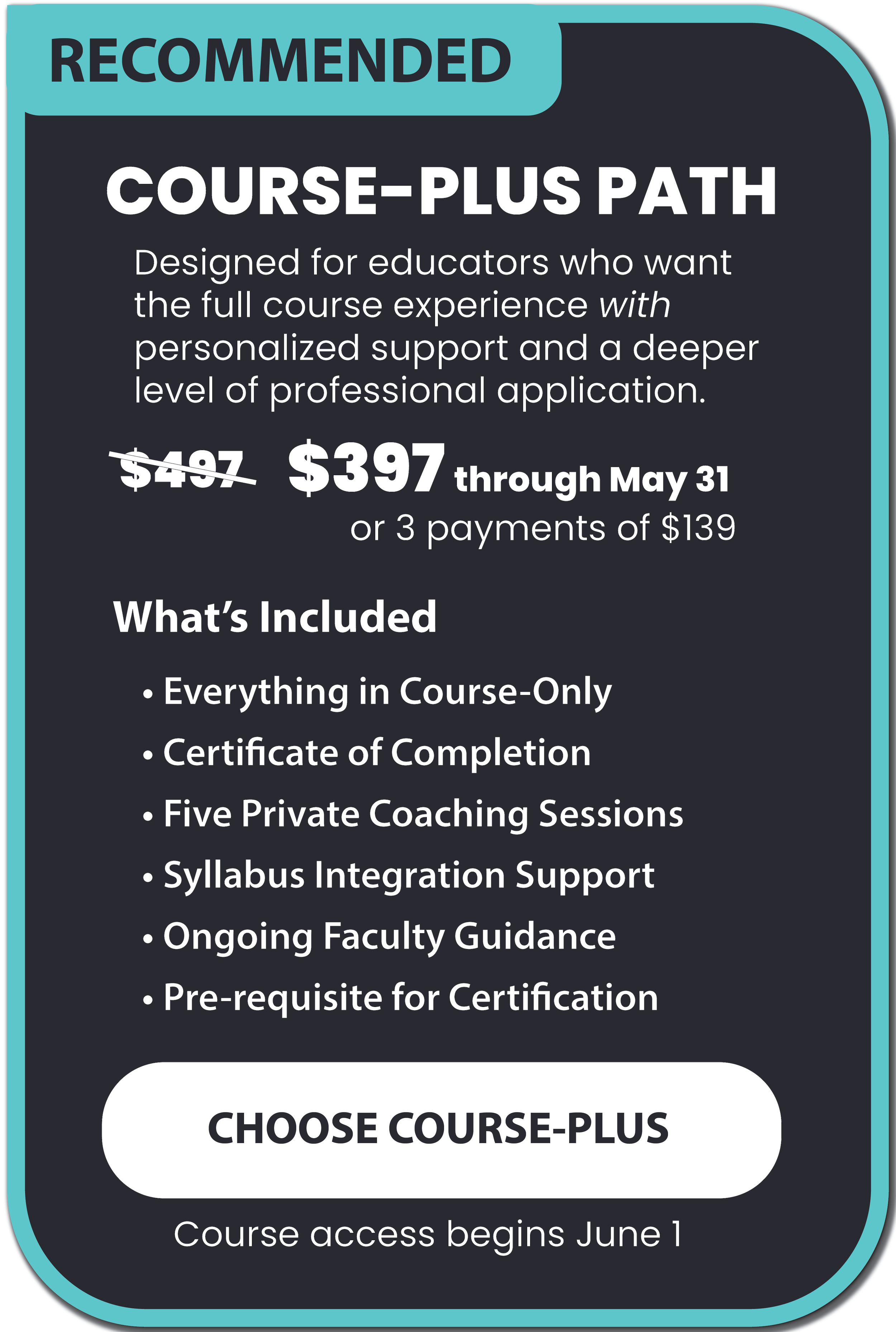
This 20-hour course offers an immersive, on-your-feet learning experience led by Kari Margolis, featuring demonstrations and insights by company members, pedagogical breakdowns of every study and improvisation, in-depth written notes, bonus videos and written resources, and check-in quizzes. The Course-Plus Path includes one-on-one meetings with Kari and lead faculty, a Certificate of Completion, and serves as the prerequisite for entering the Certification Program.
Created to feel like an in-studio intensive, the course includes invited online participants who ask questions and contribute to the exploration, helping you feel part of an active, engaged cohort as you work.
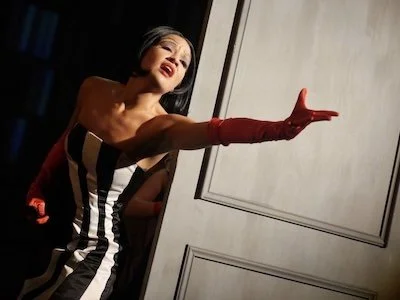
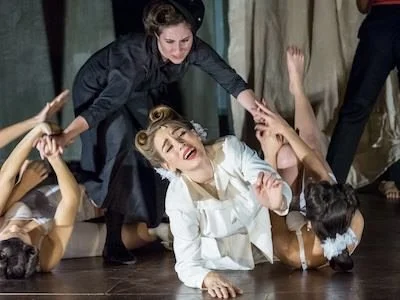
Session 01
Where Choice Begins
-
Begin in the actor’s most available state, where choice is possible but not yet made.
Engage the floor as an active, expressive partner.
Develop breath patterns that support groundedness and clarity.
Cultivate the ability to make inner life perceptible to the audience.
Build internal and external worlds that send, receive, and transform energy.
Practice improvisational decision-making through structured physical choices.
Use repetition and variation to create clarity, surprise, and dynamic storytelling.
Session 02
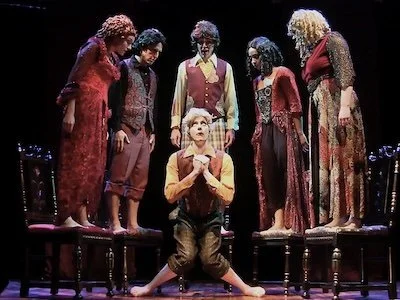
From Impulse to Structure
-
Engage a three-dimensional core connecting inner and outer worlds.
Work with and against gravity as a source of dynamic action.
Train through opposition by contrasting habit with alive choice.
Shape meaning through expansion and contraction of the core.
Distinguish actor from character in physical and dramatic terms.
Construct dramatic packets as foundational units of physical grammar.
Apply packet structure to text to reveal expressive units.
Session 03
Making the Invisible Visible
-
Distinguish internal from external musculature to deepen embodiment.
Apply gravity as a force that shapes and grounds performance.
Explore up/down causality to establish oppositional physical logic.
Initiate action through muscular engagement rather than skeletal reliance.
Differentiate voluntary and involuntary action to generate story.
Use the vertical plane to express internal emotional states.
Develop dramatic timing through effort, momentum, and suspension.

Session 04
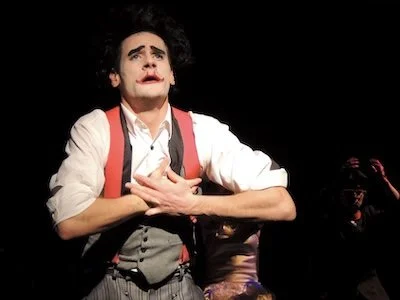
Specificity Elicits Creativity
-
Expand available options through directional variation.
Scale structures from solo practice to ensemble interaction.
Use specificity to generate dynamic and responsive partnership.
Deepen understanding of oppositional forces in action and thought.
Strengthen empathy through responsive partner awareness.
Carry physical history forward to enrich present action.
Activate the will to live against gravity as a dramatic force.
Session 05
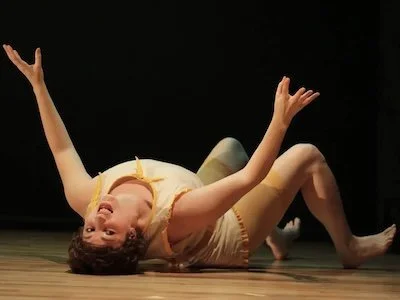
Turning Concept into Craft
-
Use breath patterns as repeatable tools for focus and preparation.
Explore narrow and broad states as physical and dramatic conditions.
Apply cause → absorb → effect as a foundational storytelling structure
Create contrast by avoiding harmonizing inner and outer worlds.
Maintain gravity and preparation through locomotion.
Define honesty as physical congruence between action and condition.
Use floor work as ongoing training infrastructure.
Session 06
Training Is Performance
-
Organize movement through core musculature rather than skeletal dependence.
Transition between inside-to-outside and outside-to-inside pathways.
Support vocal expression through physical alignment and energy flow.
Apply gather-and-give structures to animate action and text.
Build phrase structures through short scripted sequences.
Apply tools in rehearsal and teaching.
Integrate stretching and floor work as active training.
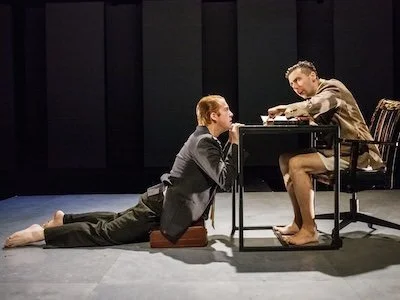
Session 07
The Drama of Distance
-
Shape story through breath-driven phrasing and transition.
Train memory and timing through pattern-based structures.
Translate structure into character-driven intention.
Explore relational energy through springs and elastics.
Activate space between actors as a dynamic field.
Shape relationships through spatial compression and expansion.
Apply conform, contrast, and resist in partner work.
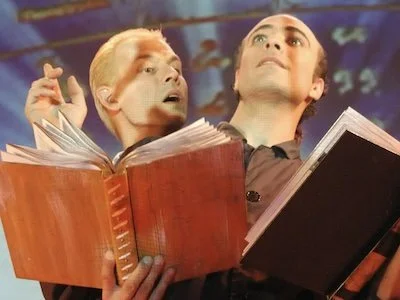
Session 08
Muscular Grammar
-
Organize action through inside/outside physical and vocal pathways.
Integrate voice and body as a unified expressive system.
Expand phrasing through three-beat packet structures.
Create private and public expression within a single action.
Deepen voluntary and involuntary action with psychological detail.
Align physical and vocal storytelling to resolve disconnection.
Generate scenes through structured improvisational scripts.
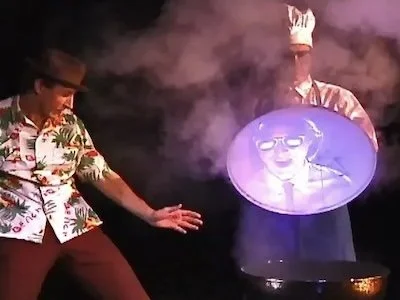
Session 09
The Generative Actor
-
Manifest public and private worlds within simultaneous action.
Make inner life legible through the body as a transparent vessel.
Use transition as preparation for what comes next.
Balance outward action with inward transformation.
Distinguish voluntary and involuntary forces within character.
Extend packet logic into monologue structure.
Integrate actor, playwright, and director perspectives.
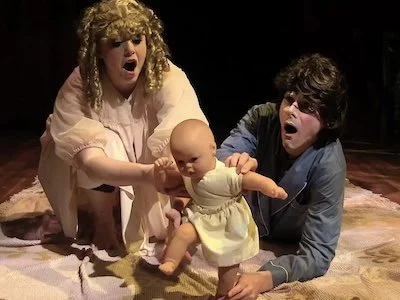
Session 10
On the Precipice
-
Explore strength and vulnerability through physical states of opening and closing.
Direct audience focus between internal and external experience.
Shape dramatic space as an active, expressive medium.
Activate supportive resistance within all forms of action.
Build complexity through layered internal and external scripts.
Integrate voice and body through puppeteer-based logic.
Ground text in physical timing and structure.
Bring more specificity and creative agency into your classroom.
◉ FROM THE COURSE
Step inside the training.
These excerpts offer a glimpse into the course’s blend of embodied practice, pedagogical framing, and practical classroom application. Each lesson is paired with written notes to help you revisit key concepts, track terminology, and translate the work into your own teaching.
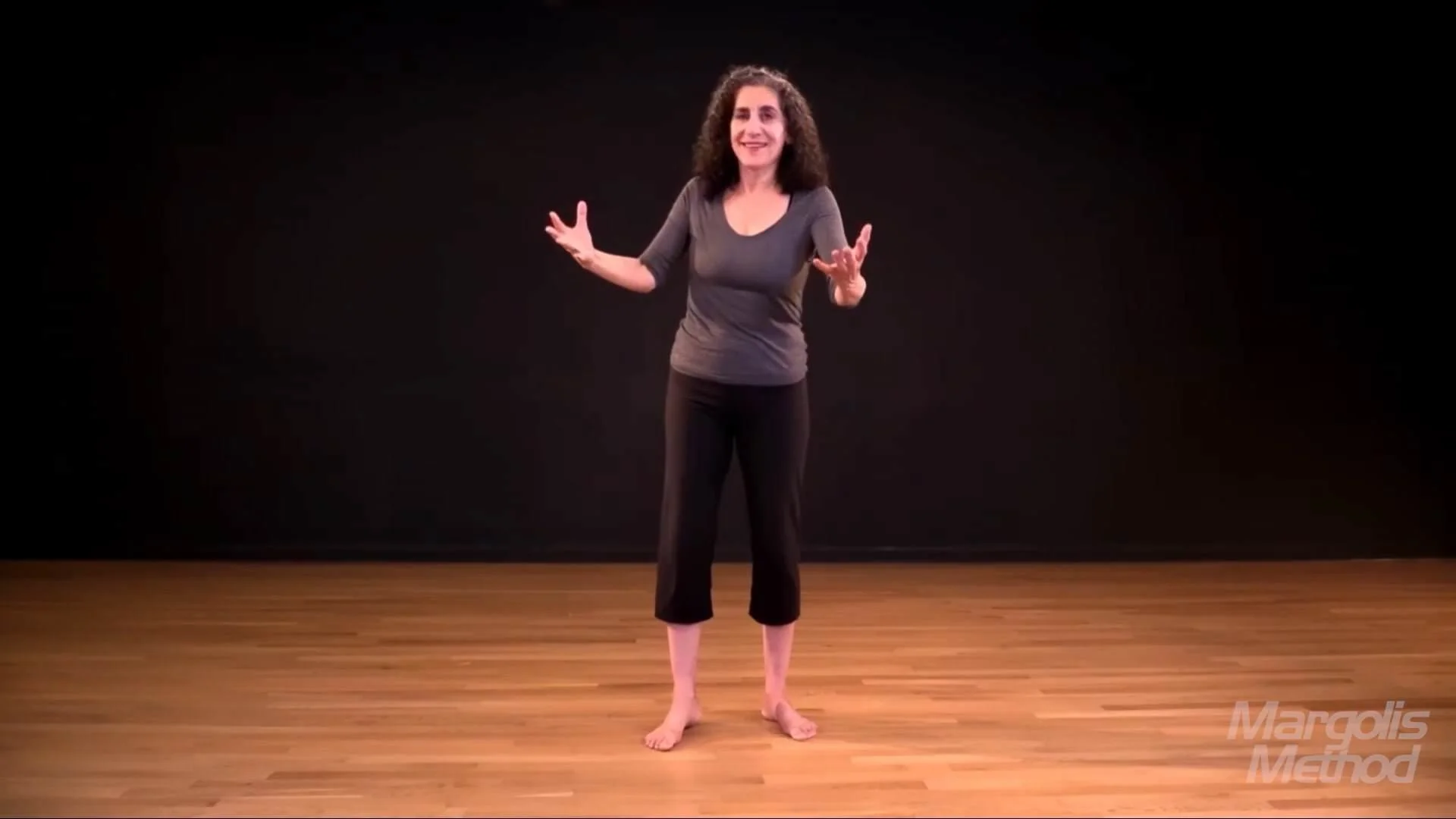
Session 01 Excerpt
A Character’s Private and Public Worlds
-
Session 01 Excerpt
A Character’s Private and Public Worlds00:00 – 01:14 | Topic 1: Internal vs. External Worlds
01:14 – 02:54 | Topic 2: The Actor as a Vessel
02:54 – 04:05 | Topic 3: From Concept to Practice
04:05 – 05:40 | Topic 4: The Socialized Instrument
05:40 – 06:54 | Topic 5: Sending & Receiving
06:54 – End | Topic 6: Timing, Control, and Vulnerability
OverviewThis session introduces a foundational principle of Margolis Method: the dynamic relationship between an actor’s internal (private) and external (public) worlds. The training explores simple physical actions to send internal impulses outward, allow them to live truthfully in time, and receive it back.
The session reframes the actor as a transparent vessel, challenges the limitations of a socially conditioned instrument, and redefines vulnerability as responsiveness and accountability to the audience.Key Concepts or Theories
The actor always operates in two simultaneous worlds:
Internal (private): emotional, psychological, personal experience
External (public): social, political
Complexity in performance comes from the dialogue between internal and external, not from playing a single idea
The actor is a vessel that must become increasingly transparent, allowing internal life to be perceived
Inner thoughts and impulses must be made tangible and physically readable, not left invisible
Acting loses depth when it becomes indicative rather than experiential—audiences should discover, not be told
Most actors arrive with a “socialized instrument”—externally functional but internally muted
Acting must be practicable: skills must be repeatable and trainable, not just conceptual
Vulnerability is defined as responsiveness to the moment and accountability to the audience, not emotional display
Key Takeaways and Summary of Learning ObjectivesUnderstand and activate both the internal and external worlds of the character simultaneously
Develop the ability to layer performance, creating complexity rather than single-note acting
Learn to make inner life visible and tangible through physical and energetic expression
Shift from indicating emotion to allowing the audience to perceive and discover meaning
Recognize and begin to undo the limitations of a socially conditioned acting instrument
Practice the transfer of impulse between internal and external worlds
Build awareness of timing—how long an impulse truthfully lives
Reduce over-control and develop authentic vulnerability in performance
Establish a repeatable physical practice that supports consistent growth
Topic 1: Internal vs. External WorldsIntroduces the dual structure of character: private/internal vs. public/external
Emphasizes that both worlds are always present and active
Highlights how this duality creates twice the playable material in any acting moment
Demonstrates how contradiction (e.g., laughing externally, struggling internally) creates complexity
Begins shifting actors away from single-note performance
Topic 2: The Actor as a VesselDefines the actor as a vessel containing both inner and outer experience
Establishes the goal of making that vessel “see-through.”
Explores how internal states can be made physically perceptible
Distinguishes between indicating emotion and allowing the audience to discover it
Topic 3: From Concept to PracticeIdentifies a gap in actor training: concepts without practical application
Reinforces that understanding is not enough—actors must be able to practice skills independently
Positions Margolis Method as a systematic, trainable approach
Emphasizes building a reliable, repeatable skill set
Topic 4: The Socialized InstrumentExamines how social conditioning suppresses internal expression
Highlights the disconnect between internal experience and external behavior
Identifies the “default” actor as externally controlled but internally limited
Topic 5: Sending & Receiving: Building the PracticeIntroduces a core physical exercise: sending an impulse outward and receiving it back
Demonstrates how even simple movement becomes expressive when driven by internal impulse
Builds awareness of direction, flow, and energetic exchange
Distinguishes between mechanical action and intentional, responsive movement
Reinforces that theater can be created from the simplest actions
Topic 6: Timing, Control, and VulnerabilityExplores the natural life span of an acting beat
Identifies the tendency to over-control and manipulate timing
Defines self-motivated control as the opposite of vulnerability
Reframes vulnerability as accountability to the audience
Encourages actors to allow impulses to live truthfully in time
Memorable Quotes
“Our goal in daily training is to try to make our vessels as see-through as possible.”
“If the actor is having a thought, it’s our job to make that tangible to the audience.”
“You don’t want to tell the audience anything; you want to inspire them to make discoveries.”
“Vulnerability is being accountable to the audience.”
“As actors, we can make theatre out of what seems like nothing to ordinary people.”
Practice & Reflection
Work with the foundational rhythm of the actor’s instrument:
Let impulses move from your internal to your external world
Allow them to exist without controlling their timing
Receive them back and notice what shifts
After working, take a moment to observe:
Where did I control the moment?
Where did I allow something to happen?
When did the work feel most alive?
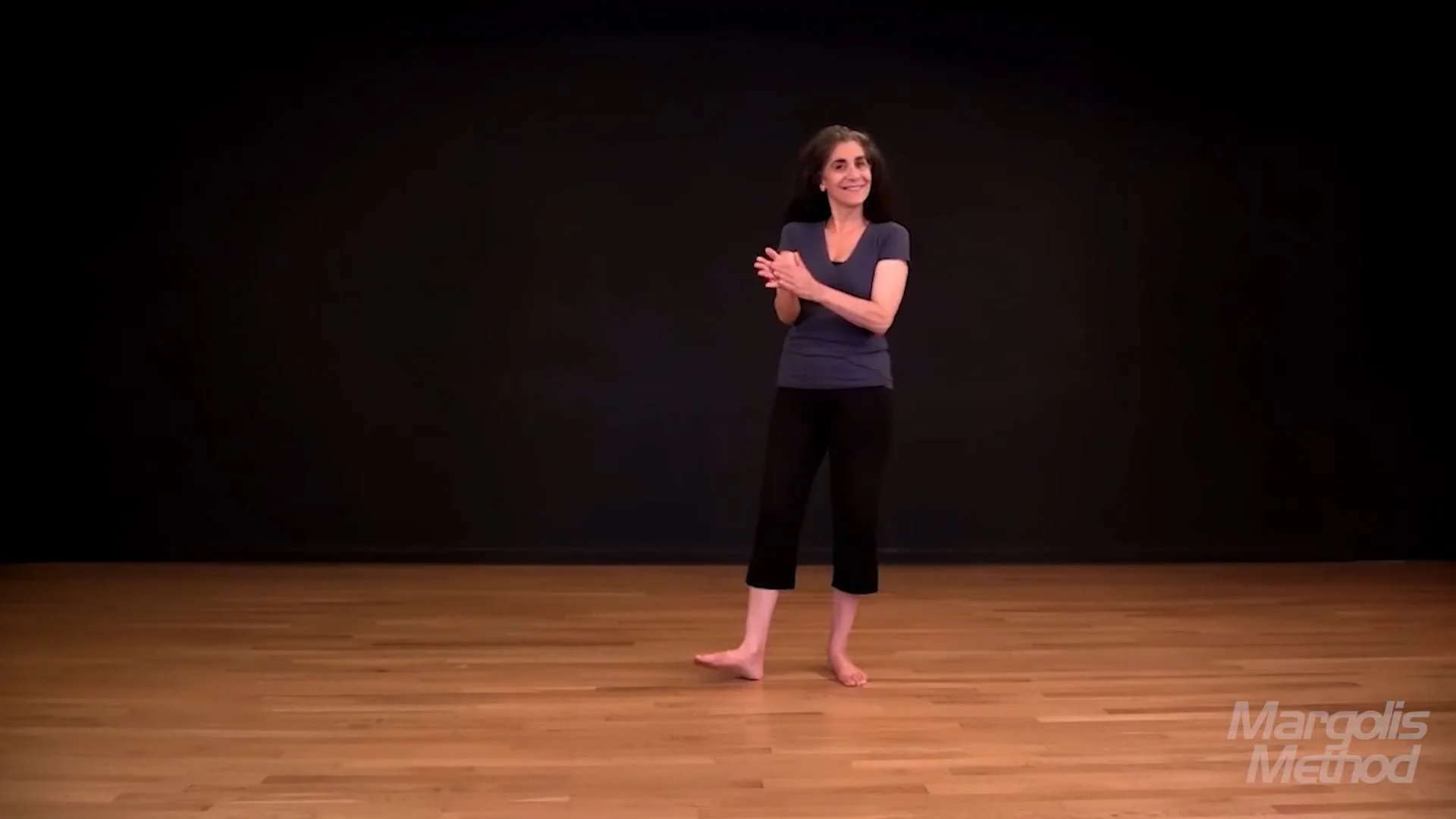
Session 08 Excerpt
Understanding Common Tendencies
-
Session 08 Excerpt
Understanding Common Tendencies00:00 – 01:58 | Topic 1: Introducing the Weeble-Wobble
01:58 – 03:10 | Topic 2: The Desire to Feel vs. Faking
03:10 – 04:00 | Topic 3: Excess Effort & Emotional Stimulation
04:00 – 04:40 | Topic 4: The Value of Not “Feeling It” Yet
04:40 – End | Topic 5: Generosity & the Illusion of Ease
OverviewThis session introduces the “Weeble-Wobble” as a metaphor for a common acting challenge: the attempt to feel something when we don’t yet have access to the internal muscles that generate authentic emotional life.
Rather than treating this as a failure, the session reframes it as a natural and necessary stage of training. Kari emphasizes that actors are fundamentally generous artists who want to experience and transmit truth, but often have to rely on external or habitual strategies to stimulate feeling.
Through this lens, Margolis Method focuses on building the internal “muscles” that allow emotional states to be accessed, channeled, and made playable—transforming effort into clarity and eventual ease.
Key Concepts or TheoriesActors often try to create emotion through external stimulation rather than internal connection
Emotional life requires trained “muscles” (internal muscles close to the core)
Simplicity in exercise does not equal ease in execution—fundamentals are often the hardest work
Repetition and practice gradually reduce Weeble-Wobbling and increase clarity, control, and connection
Key Takeaways & Summary of Learning ObjectivesShift from forcing emotional states to building reliable internal pathways for them
Reframe difficulty as a sign of craft development rather than failure
Begin identifying the difference between external emotional stimulation and internal generation
Topic 1: Introducing the Weeble-WobbleIntroduces the concept of “Weeble-Wobblism” as a playful but accurate description of actors trying to make themselves feel
Establishes that every classroom will contain multiple versions of this tendency
Frames it as a natural byproduct of generosity and desire to succeed
Sets up the central question: how do actors generate feeling without forcing it?
Topic 2: The Desire to Feel vs. FakingIdentifies a universal student experience: “I don’t feel anything” on stage
Emphasizes that actors are not trying to be dishonest—they are trying to connect
Introduces the idea that emotional access requires specific internal coordination (“muscles”)
Topic 3: Misplaced Effort & Emotional StimulationShows how you’ll recognize different “directions” of Weeble-Wobbling (attempted emotional forcing in different ways)
Introduces the idea that internal connection is the missing mechanism, not effort or intention
Topic 4: The Value of Not “Feeling It” YetEmphasizes that acting class is designed for learning what you cannot yet do
Reinforces patience as a core artistic discipline
Topic 5: Generosity & the Illusion of EasePositions actors as deeply generous artists who want to make emotional work accessible and alive
Compares acting to classical dance: difficulty is hidden, not absent
Explains that audiences respond to the invisible labor behind apparent ease
Highlights that acting requires equally demanding internal craft, even if it is less visible
Reassures students that repetition and practice reduce “Weeble-Wobble” over time
Ends with the idea that clarity emerges gradually as internal structures strengthen
Memorable Quotes“Extraneous movement is the outcome of our generosity.”
“Everybody wants to be able to feel it.”
“That’s why we’re practicing this.”
“Don’t be fooled by the fact that what you’re being asked to do seems simple. It is not.”
“Actors are the most generous of artists, because our whole goal is to make everything seem easy.”
Practice & Reflection
Watch for “Weeble-Wobbling” in yourself or your students without correcting it immediately.
What is the actor trying to access underneath the effort?
A Little History
The Question That Started It All
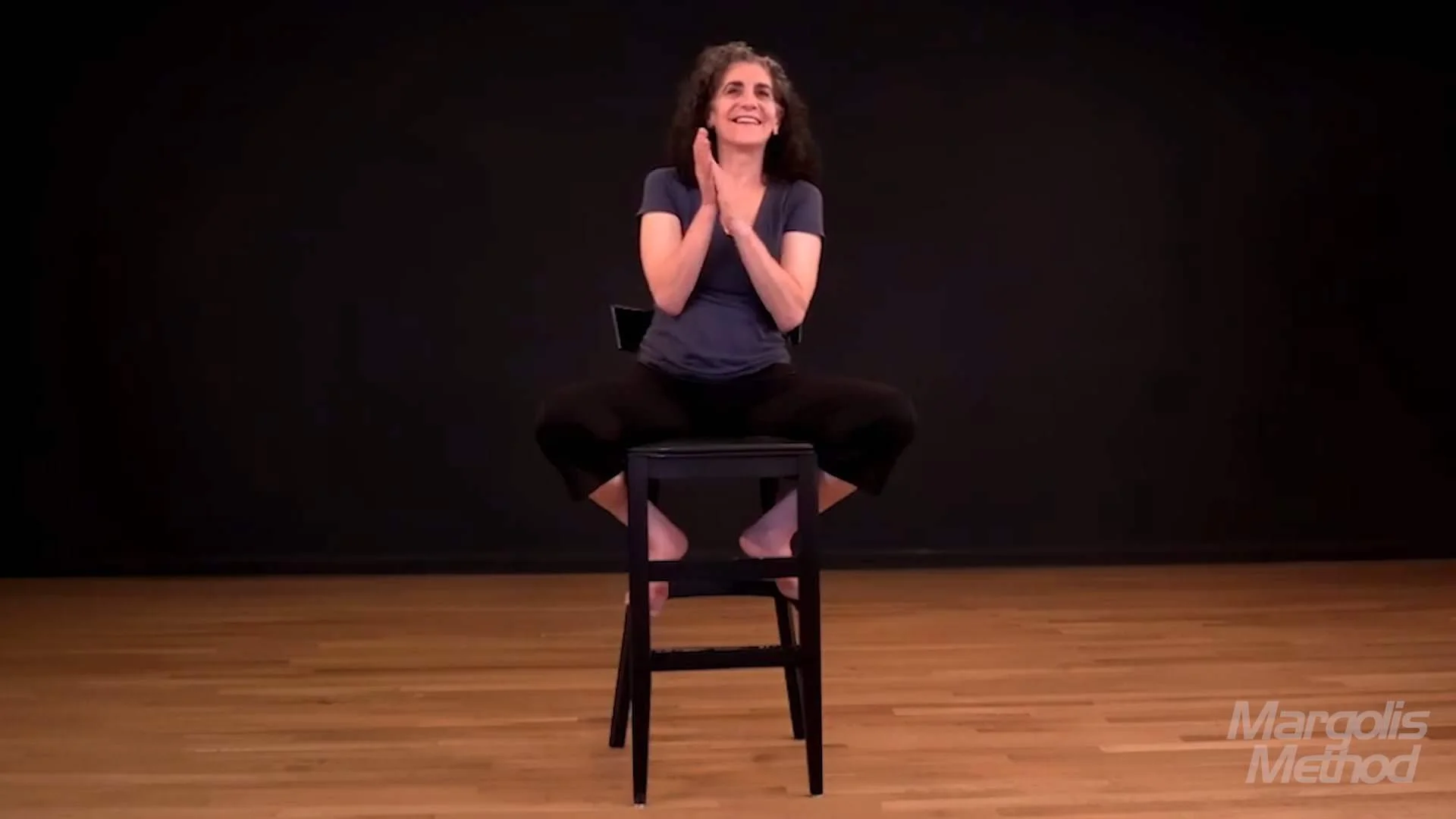
The full training is waiting for you.
◉ EDUCATOR REVIEWS
Feel the enthusiasm in the room.
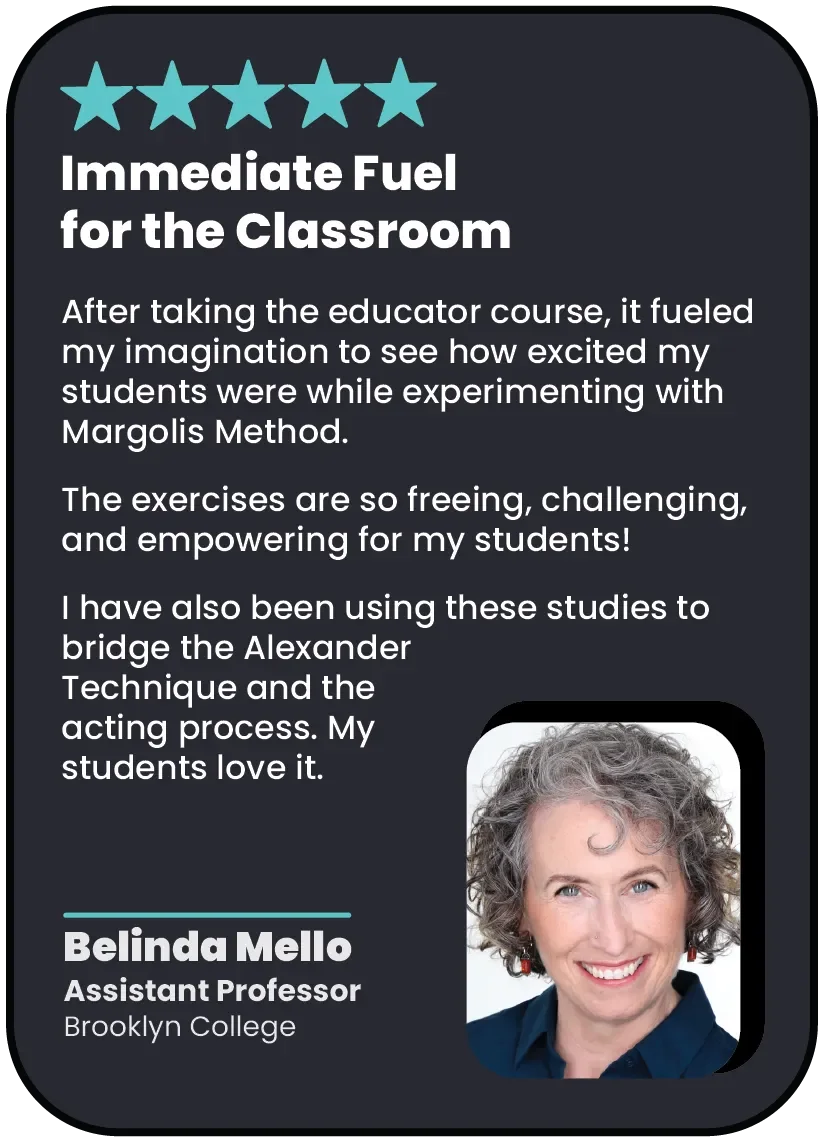
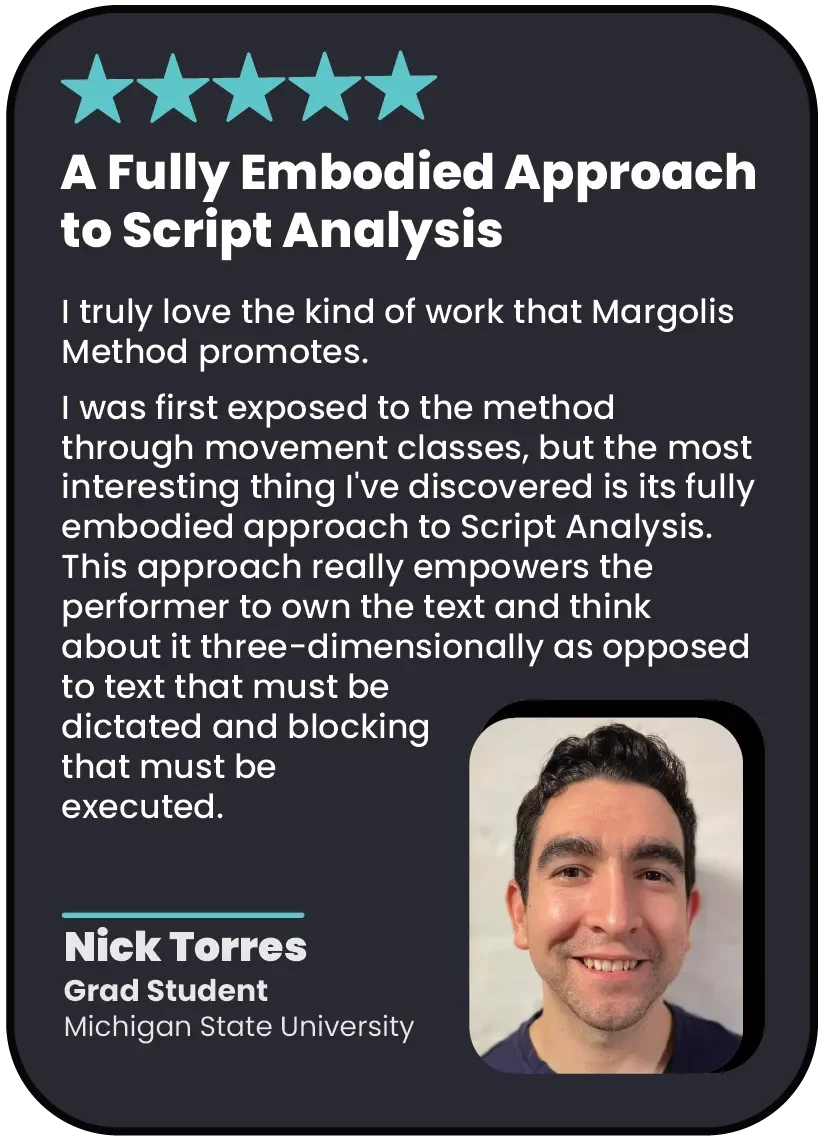
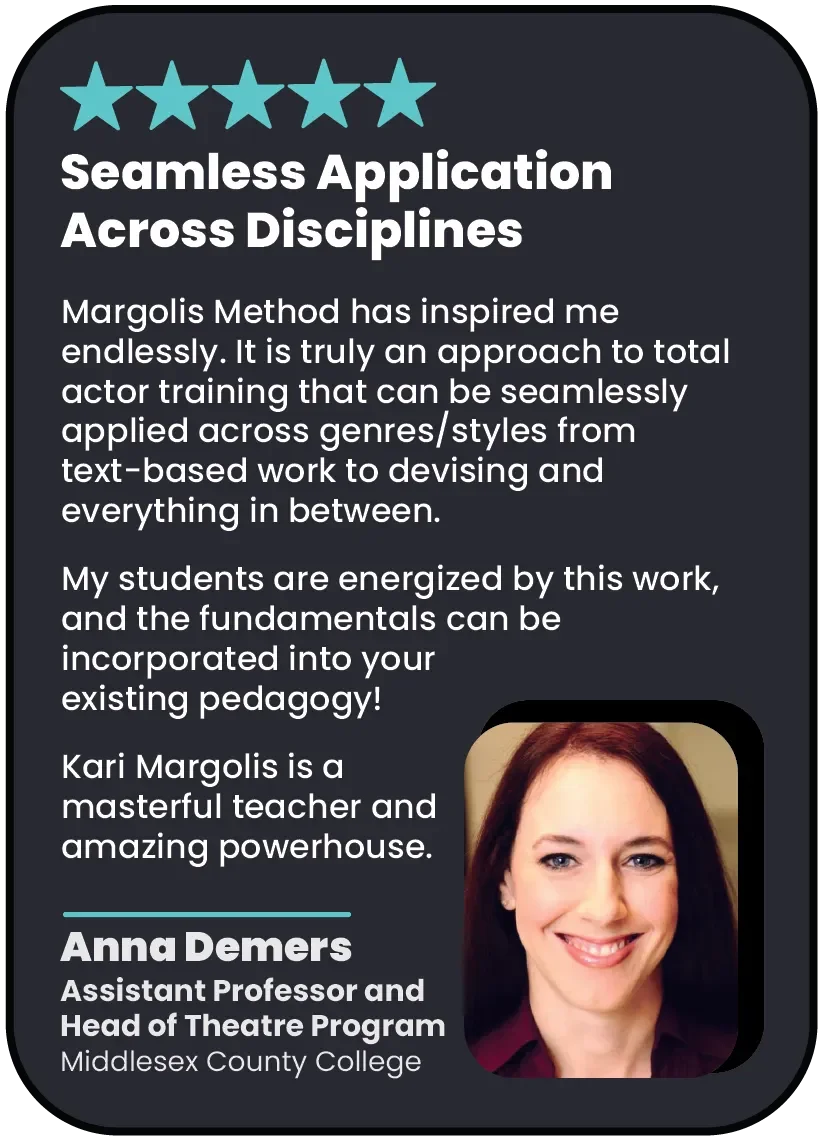
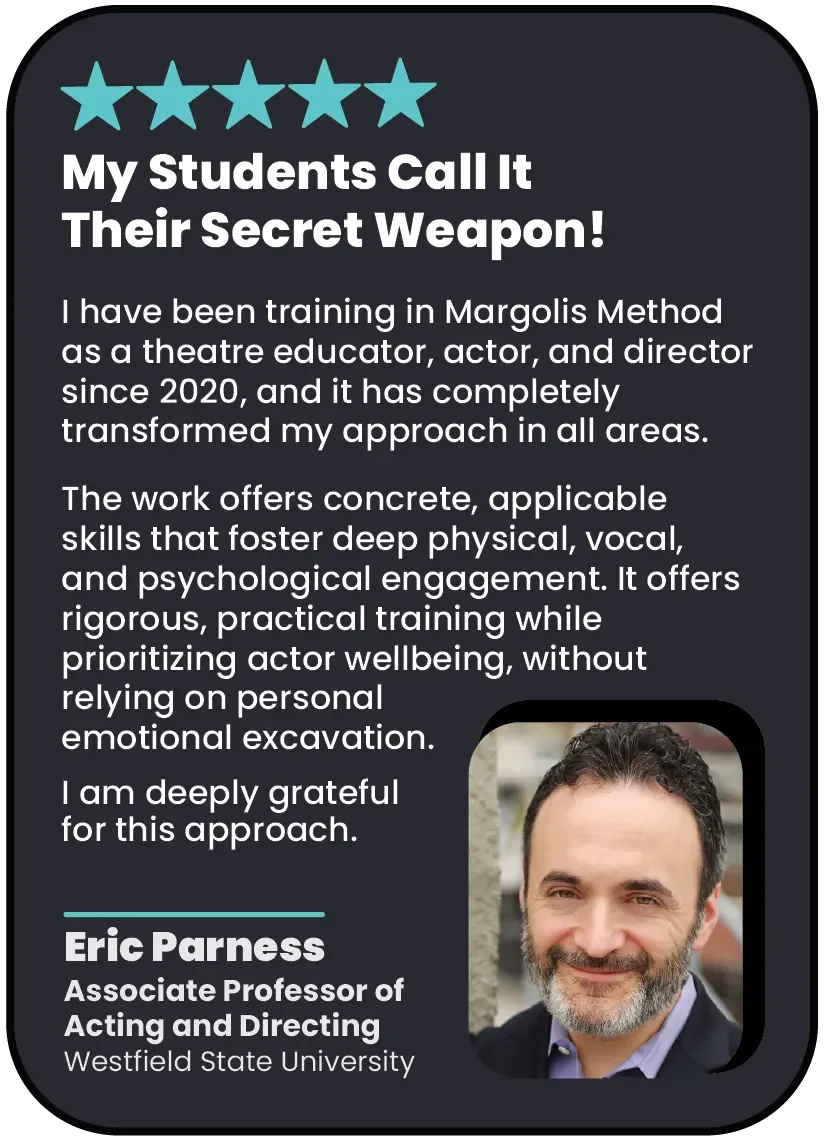
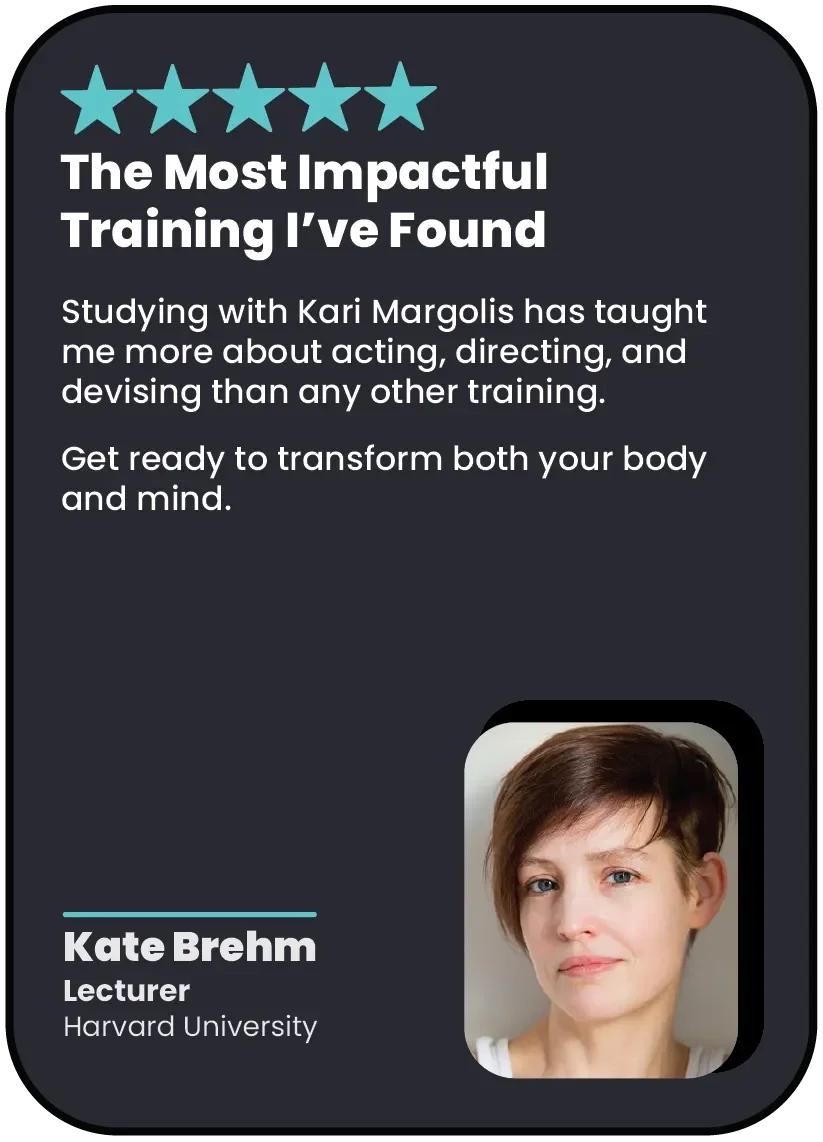
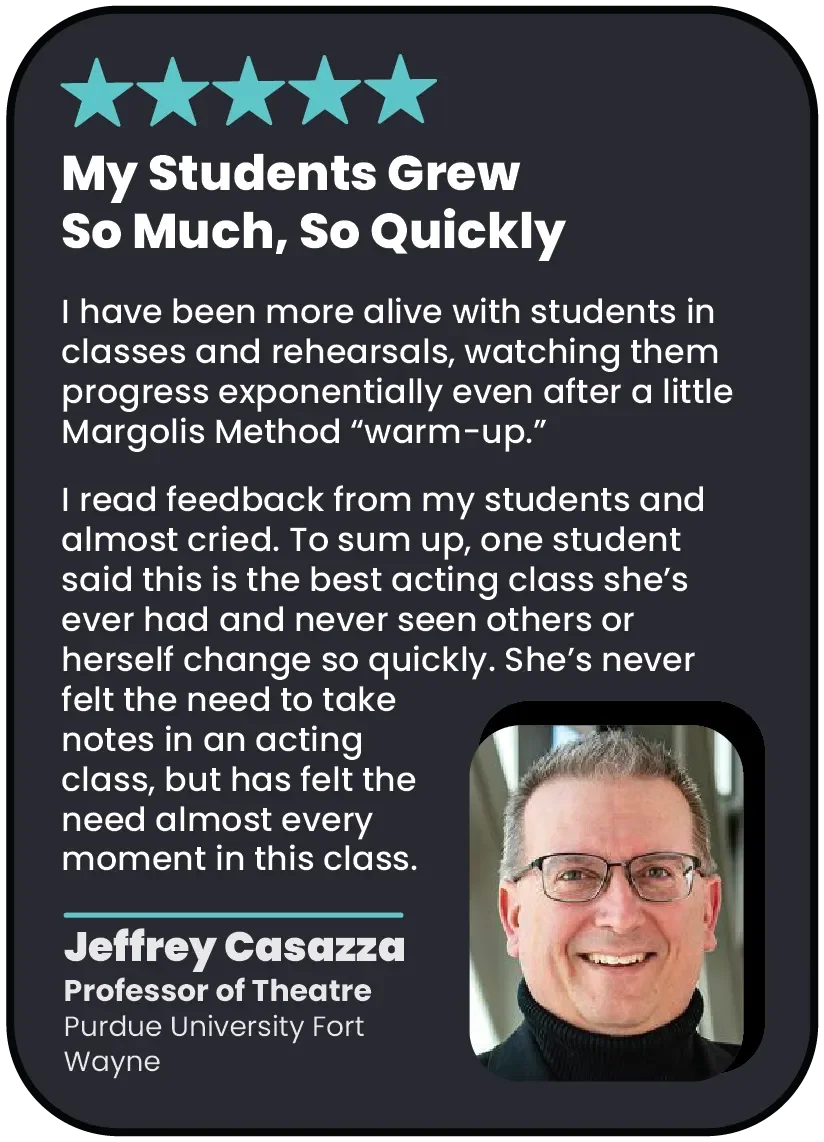
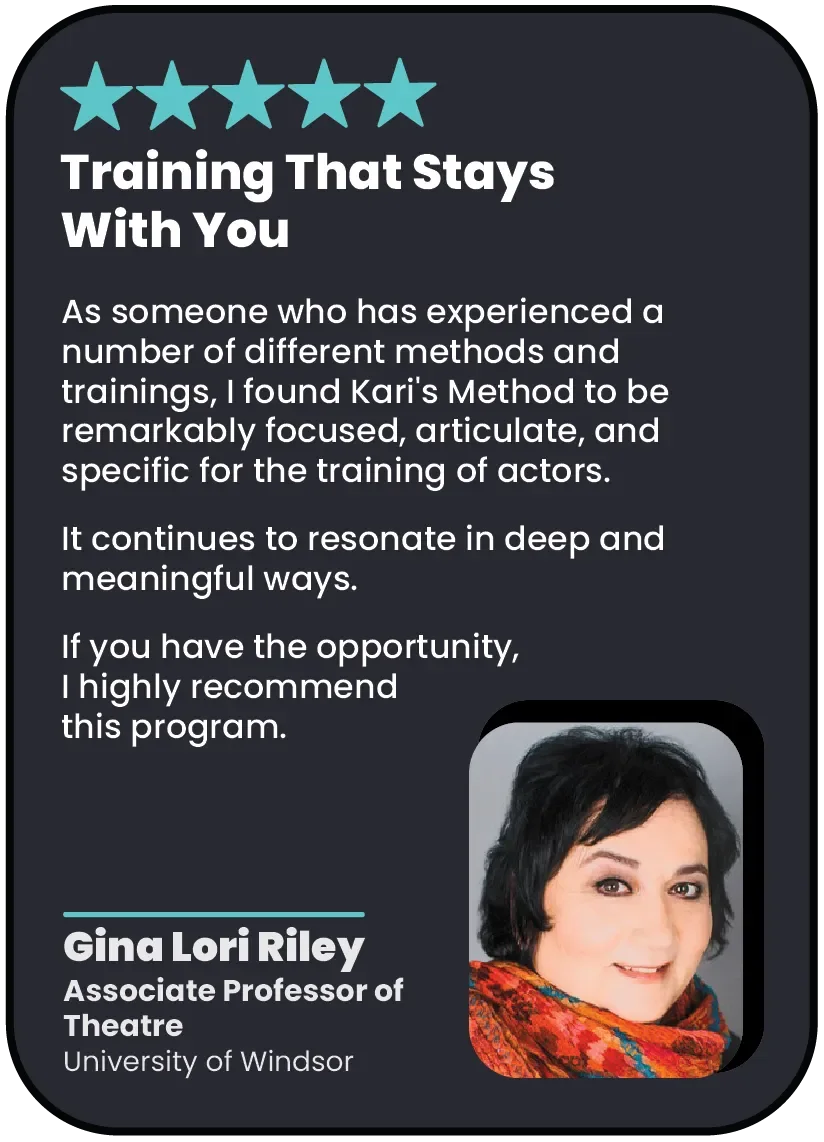
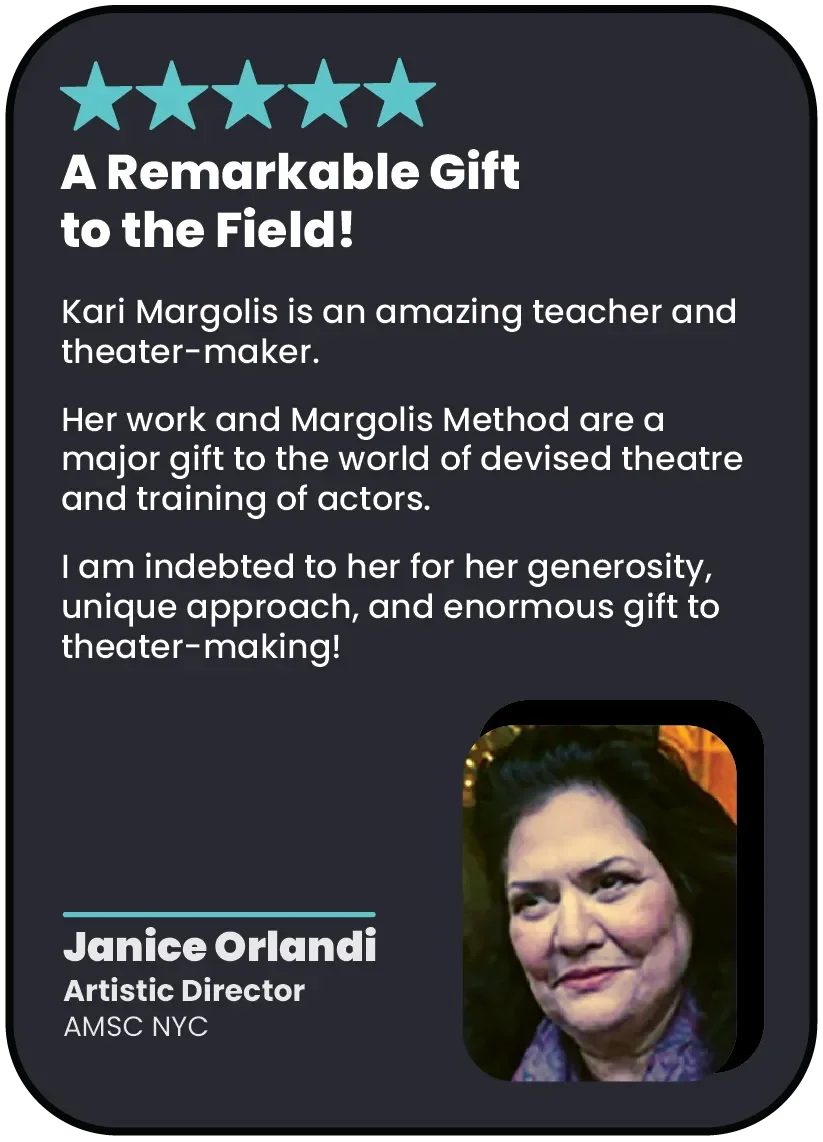
In practice, Margolis Method creates a dynamic ecosystem for teaching and learning, where rigor supports imagination, structure supports freedom, and students take active ownership of their artistic development.
◉ MARGOLIS METHOD FACULTY
Meet your instructors.
Our faculty are part of a vibrant, long-standing community of artists who have trained, created, and taught with Kari over decades. Each is an artist in their own right, bringing both individual perspective and a shared commitment to making Margolis Method clear, embodied, and actionable for the educators and students they serve.
Note: In the Course-Plus Path, you’ll receive direct feedback and support from Kari and lead faculty.
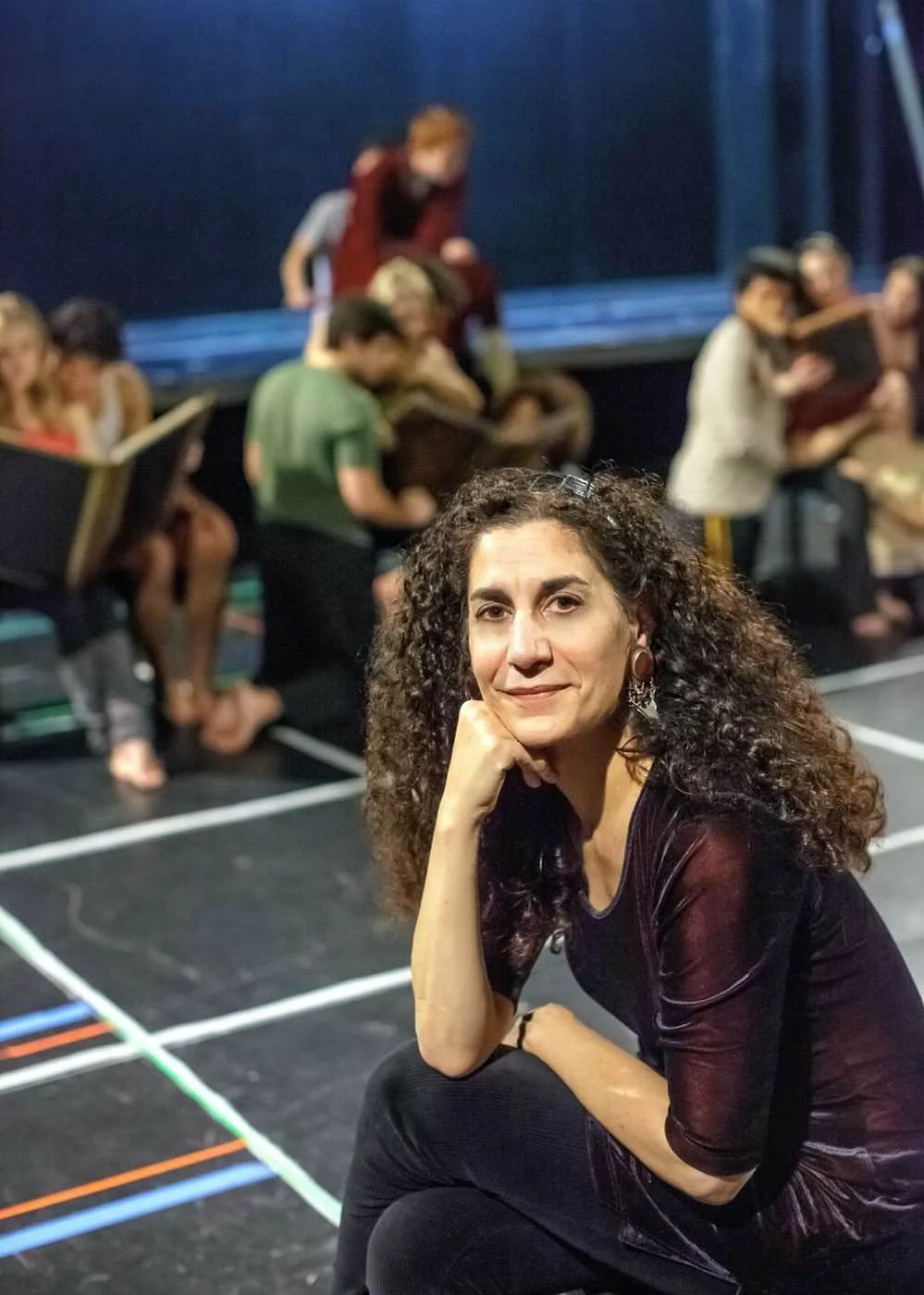
Kari Margolis, Founder
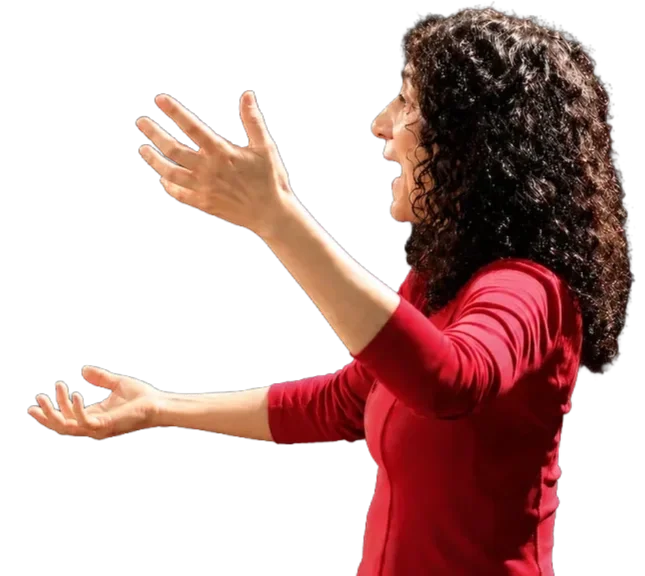
Kari Margolis is an internationally celebrated theatre artist, educator, and author who has taught thousands of students, professional actors, directors, playwrights, and educators over the past 40+ years.
“Kari has left an indelible mark on my soul. Her approach and methodology to acting opened my heart and mind in ways I never could have predicted or imagined. I continually try to absorb every morsel of her wisdom, curiosity, passion, and generosity.”
Margolis Method was born out of Kari's work to create "a theatre of humanity" with her acclaimed company MB Adaptors, and through collaborative research with artists around the world.
-
Kari Margolis (she/her) has been committed to the creation of original theatre productions and the exploration of the actor's craft for over four decades.
She is the Co-Founder and Artistic Director of the MB ADAPTORS Company, and has conceived and directed 17 full-length evening productions for the company that have toured both nationally and internationally to Barcelona, Berlin, London, Reus, Singapore, and across Mexico and Canada.
Additionally, she has created several site-specific works for such places as the Brooklyn Museum, the Minnesota Science Museum, the Roebling Bridge in Minisink Ford, NY, and the beach at Coney Island, NY.Over the last four decades, Kari has developed an in-depth approach to theatre training and creation (Margolis Method) that merges the skill sets of the actor, director, and playwright. She has, since 1984, led professional training programs in Brooklyn, Barcelona, and Minneapolis, and presently at the Margolis Method Center International in Highland Lake, NY.
The Center is also home to the MB Adaptors Company and offers Intensive Workshops, Educator and Professional Certification Programs, and the Margolis Method Network, an online learning platform.
Kari has been a lead teacher for the Kennedy Center’s National American College Theatre Festival for fourteen years, working with the Irene Ryan Finalists from across the country. She has created several original works at universities that have been invited to perform at the National Festival at the Kennedy Center and at Regional Festivals. Kari was awarded a Gold Medallion from Region I.
She served on the Theatre Faculty at the University of Minnesota for seven years, where she was instrumental in reshaping the B.A. Acting Program to emphasize the actor/creator and developed On The Edge, a performance series of original works created in collaboration with the theatre, dance, and music departments.
Kari has authored “Walking the Artistic Path” and “The Physics of Theatre,” a Margolis Method Workbook. She conducts master classes, extended residencies, and lecture demonstrations across the United States and internationally and is a keynote speaker.
Her work has been recognized with six National Endowment for the Arts Fellowships, A Pew/TCG National Theatre Fellowship, A “NY Bessie” Performance Award, A McKnight National Theatre Fellowship, a Creative Capital National Artist Fellowship, an ATME Lifetime Achievement Award, and multiple McKnight and Jerome Foundation Fellowships, among other awards and recognitions.
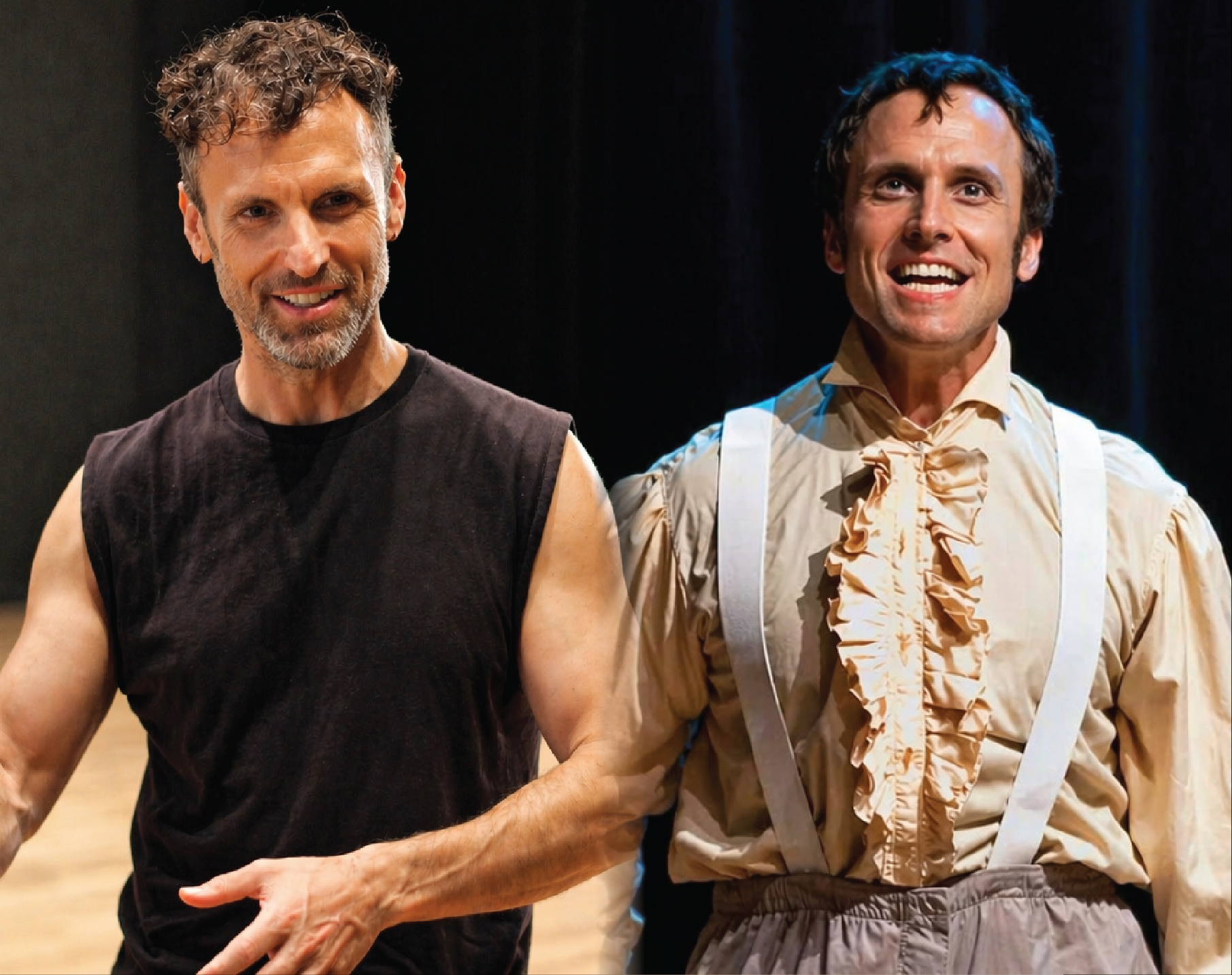
Jonathan Beller
“Jonathan has been an incredible source of support and helps us bring out the story in every study.”
-
Jonathan Beller (he/him)
is a director, producer, and performer. As a core MBA member, he has contributed to the creation and performance of Pulling Strings and Headshot! He holds both professional and educational Margolis Method certifications and served as Assistant Director for the Insula project.
Jonathan was a contributing editor to “Walking the Artistic Path” by Kari Margolis and is presently working with Kari on the new Margolis Method workbook: The Physics of Theatre, and the Dynamic Merging of the Actor, Director, and Playwright.
Jonathan was the Artistic Director of Theatrikos Theatre Company of Northern Arizona, where he produced and directed over 75 re-imagined classics and new works. He earned an MFA in directing from ASU and currently teaches theatre at Metro State in Saint Paul, MN, where Margolis Method is central to the acting curriculum.
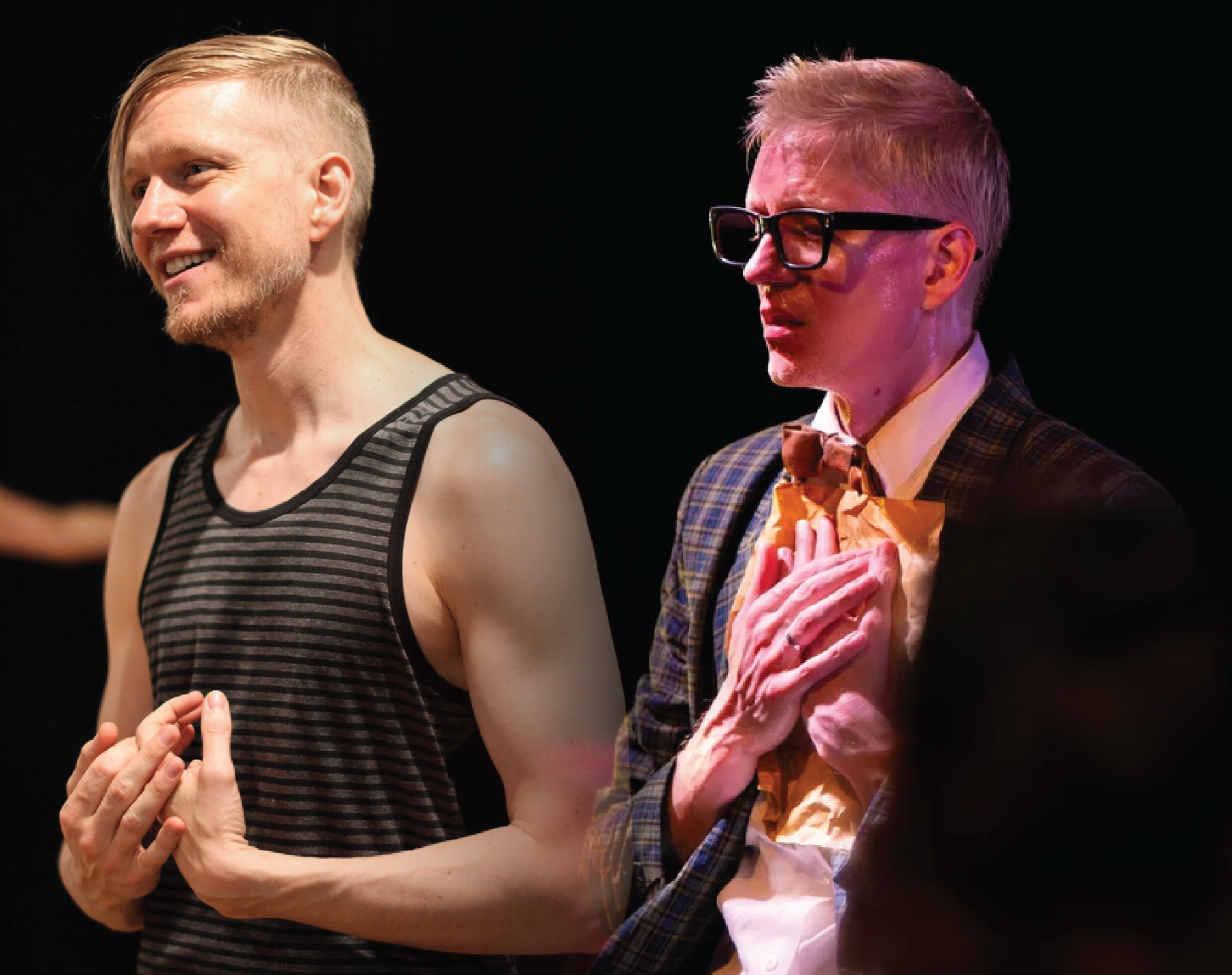
Jarod Hanson
“Jarod really energizes and leads the room, keeping us on our toes in the best, most nurturing way.”
-
Jarod Hanson (he/they)
is a Baltimore-based theatre artist and educator dedicated to actor-centered, ensemble theatre. He has been a member of MBA since 2004 and has contributed to and performed in seven MBA repertory productions including SLEEPWALKERS, THE HUMAN SHOW, AMERICAN SAFARI, CYCLOPEDIA, PULLING STRINGS, INSULA, HEADSHOT, and most recently, FLIGHT.
He is Lead MM Faculty and received his MFA from Towson, where he was a Fellow for the Center for Intl Theatre Development. He was the Graduate Student Rep for the Association of Theatre Movement Educators (ATME) and is currently the organization’s Treasurer. Jarod is a member of Acme Corporation theatre company in Baltimore and Die-Cast in Philly.
He recently conceived, directed, and produced an original play entitled Vesper, at the Voxel in Baltimore. Recent professional collaborations include: Americana Cosplay, Green Eyes, Suddenly Last Summer, and Baal & Dix with Die-Cast, The Lights Went Out Because of a Problem, The First Thing That Happens and Putin on Ice with The Acme Corporation, Paradise Lost and The Electric Baby at Towson University, Minor Character and Mr. Burns: A Post-Electric Play at the Wilma Theater, Close Your Eyes and Sleep with Truepenny Projects, Pride and Prejudice at the Peabody Institute, and an original piece co-created with fellow MBA member Jonathan Beller, Overtime: Men at Work at the Minnesota Fringe.
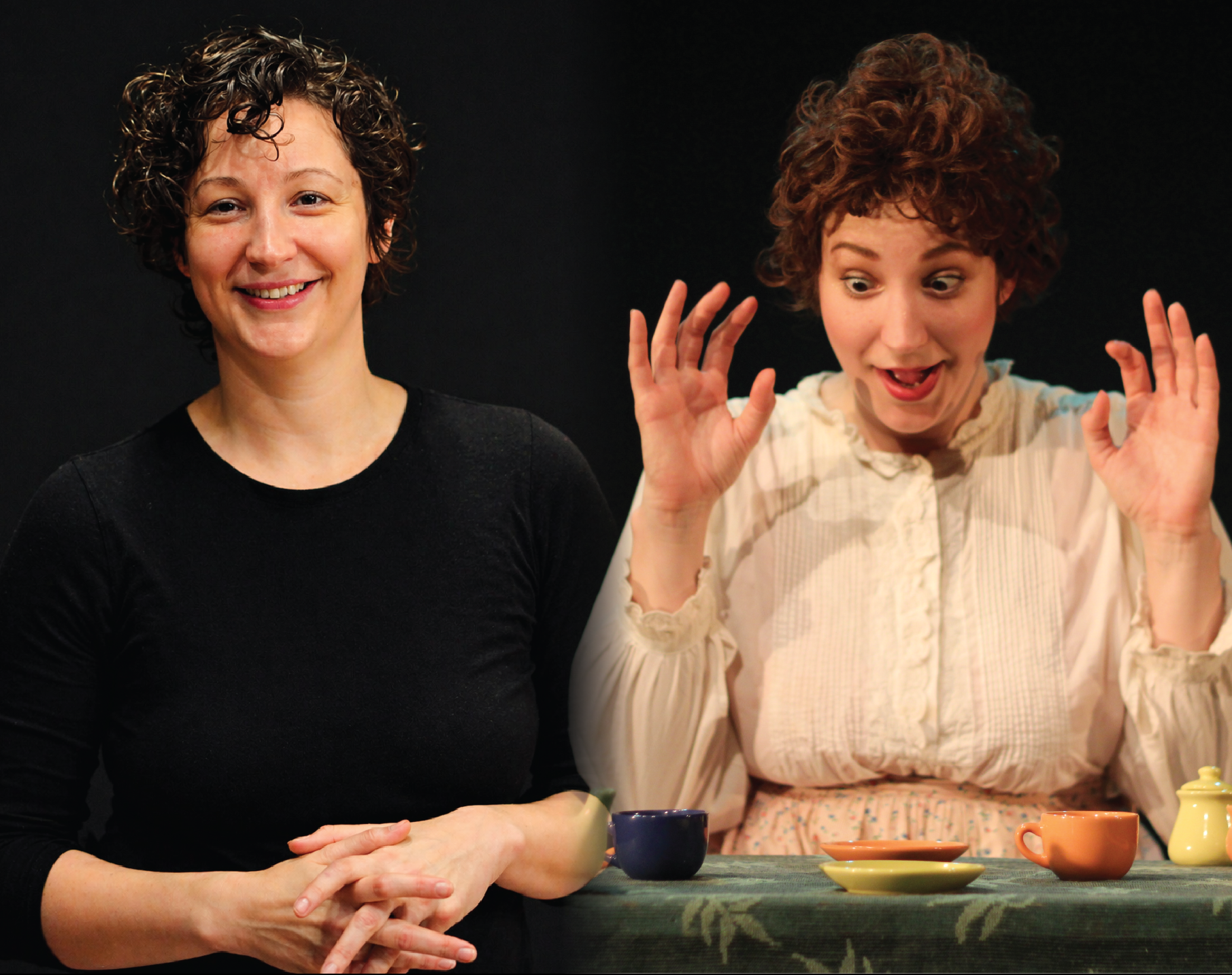
Angela Kiser
“Angie’s insight is so precise that she pinpoints exactly what we need to hear with clarity and humor.”
-
Angela Kiser (she/they)
is a lead faculty and core ensemble member with MB Adaptors. She is currently developing a solo performance and a theatrical lecture-demonstration with Kari Margolis and was a contributing creator and lighting designer for Flight, Headshot! and Miss Happs.
Angela assists with all residencies and workshops at the Margolis Method Center, online, and on tour. In addition to their teaching, devising, and performance work, they edited and contributed to “Walking the Artistic Path” by Kari Margolis and are presently contributing to the new Margolis Method Workbook, The Physics of Theatre. She serves as the organization’s Technical Director, Program and Communications Director, and graphic, web, and lighting designer.
Angela co-wrote, produced, and performed in the full-length production Under the Tree at Idiom Theatre, wrote and directed the short play Pin the Tail on the Elephant at On the Boards in Seattle, WA, and co-wrote and performed Stopping by Words on tour. She contributes to the local community as a board member of the Chamber of Commerce, and was a principal collaborating artist with Kuntz and Company and Bellingham Repertory Dance, in Bellingham, WA.
They co-founded the technical and design company On the Precipice Productions and co-hosted the theatre performance podcast Stage Hackers. She holds a BFA from WWU and has showcased her original performance and design work throughout the United States and Barcelona, Spain.
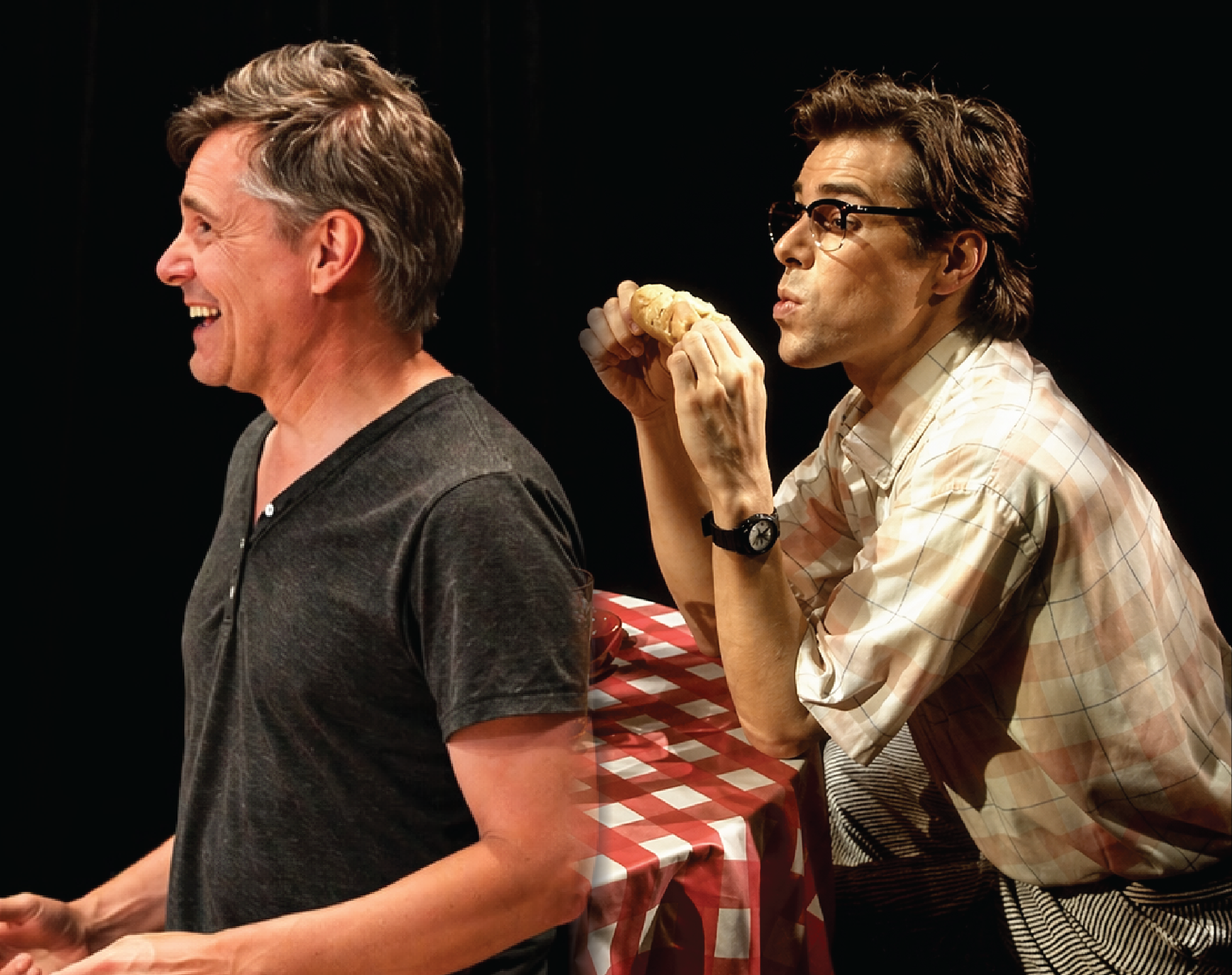
Gregory G. Schott
“Gregory’s enthusiasm for the work is infectious, and his feedback helps my scripts come to life.”
-
Gregory Schott (he/him)
began training with Kari Margolis in 1996 and joined the MB Adaptors in 2000. He has been a key contributor to American Safari, Sleepwalkers, The Human Show, Cyclopedia, Pulling Strings, Tonto Blue, and Headshot! He has assisted Kari at national and international residencies and is a faculty member at the Margolis Method Center.
He is a member of SAG-AFTRA and received his BA in Acting and Directing from UNLV, where he helped develop numerous original productions. He worked with such companies as Diamond Circle Melodrama, Climb, and Rainbow Company Children’s Theater.
Want personal guidance as you move through the work?
◉ WHY THIS COURSE
A note from Kari.

Dear Colleagues,
Working with theatre educators over the years has been one of the most meaningful parts of my practice. There’s something deeply invigorating about being in the room with teaching artists who bring a wealth of experience yet remain endlessly curious.
I’m so glad you’re here!
Through thoughtful discourse, many have shared the same frustration: educators can see their students’ potential and sense where their work is blocked, but don’t always have a vivid, embodied way to help them make substantial, lasting change.
That need led directly to the creation of The Activated Classroom: Margolis Method Fundamentals for Educators.
This course bridges the gap between what you see and what you can actively build with your students. By supporting them with a concrete, physical approach, they no longer need to try to “be” expressive or “find” emotion.
Students learn to work through a process that generates emotion.
Just as importantly, it supports you as an educator. Rather than coaxing results, you’ll have a clear framework for turning potential into clear, compelling, and embodied performance.
Whether you are new to the Margolis Method or continuing your path toward certification, you are stepping into a living theatrical practice and community of artists who value connection, creative agency, and artistic autonomy.
I very much look forward to meeting and working with you.
PS - If you’re ready to join us, just choose the path that feels right for you.
◉ MARGOLIS METHOD NETWORK
Connect with a community of teaching artists.
The Activated Classroom is hosted inside the Margolis Method Network, our online community designed to support connection, conversation, and continued learning.
You’ll have lifetime access to the course materials, so you can return to the work as your teaching and artistic practice continue to evolve.
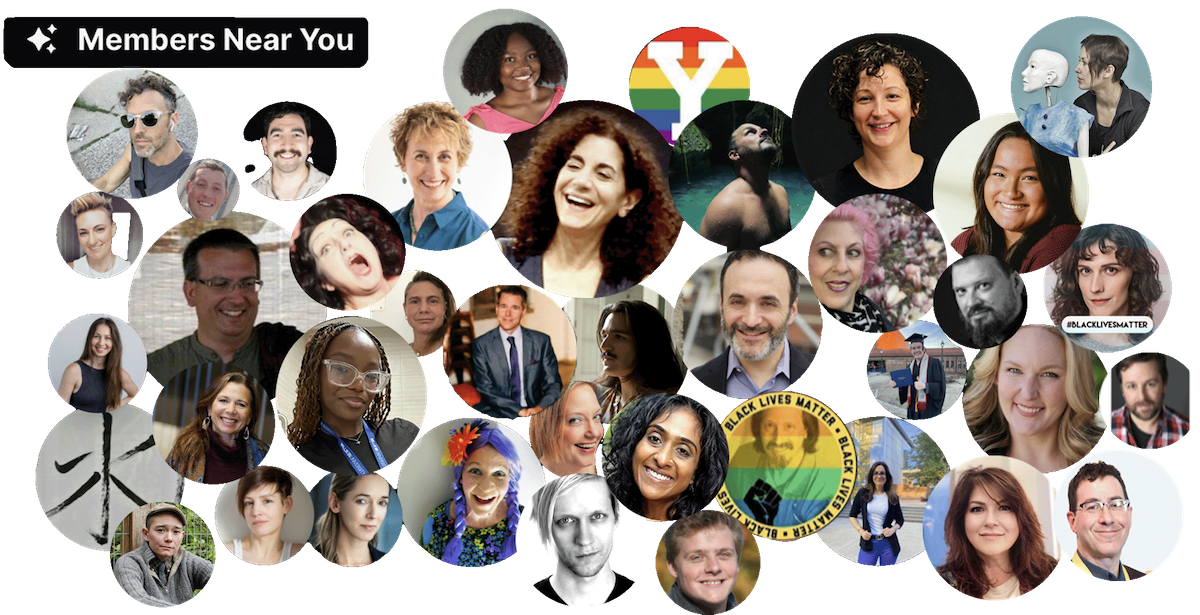
As a course member, you can create a profile, connect with fellow educators and artists, ask questions, participate in course discussions, and engage with the larger Margolis Method community through live Q&As and other virtual events.
◉ EARLY ACCESS BONUS
Start exploring the method right away.
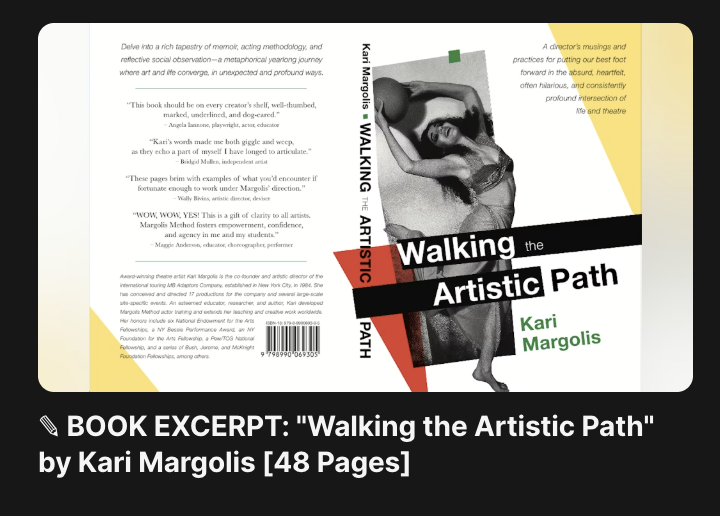
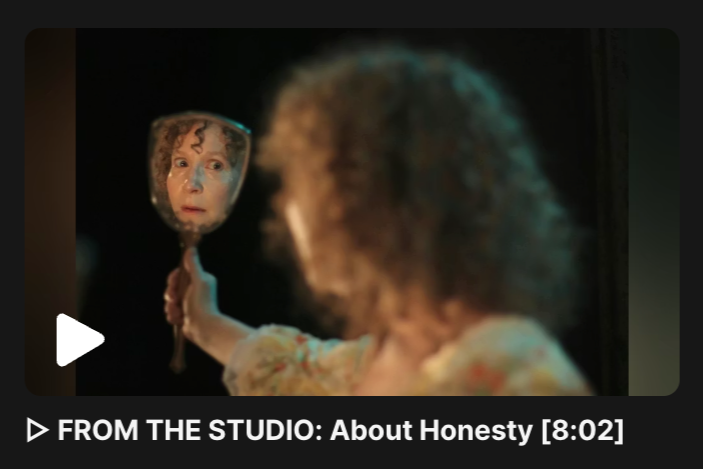
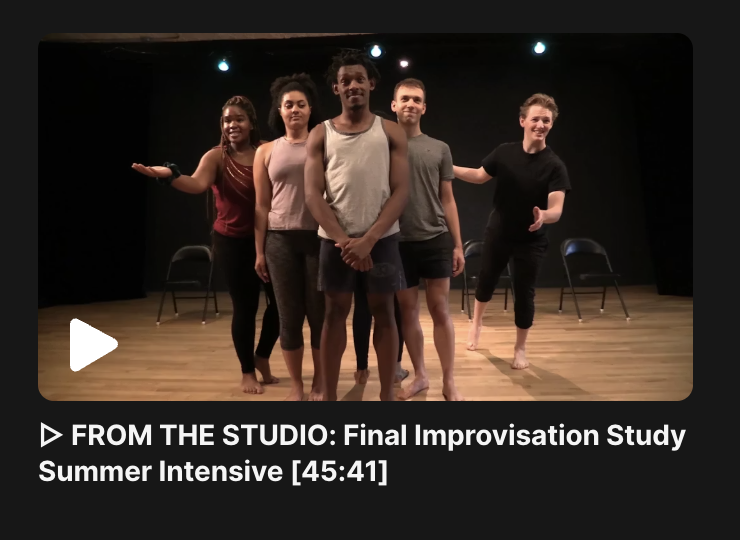
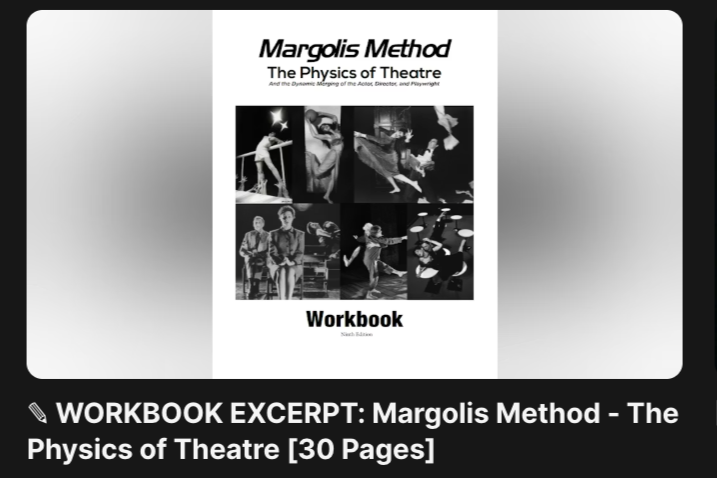
Enroll now and receive immediate access to a growing collection of bonus materials, including book excerpts, workbook selections, key concept videos, studio clips, and performance studies.
These resources offer another way into the language, philosophy, and practice of Margolis Method before the full course opens on June 1.
Train with specificity. Teach with clarity. See your students transform.
The energy of the studio, reimagined for wherever you are.
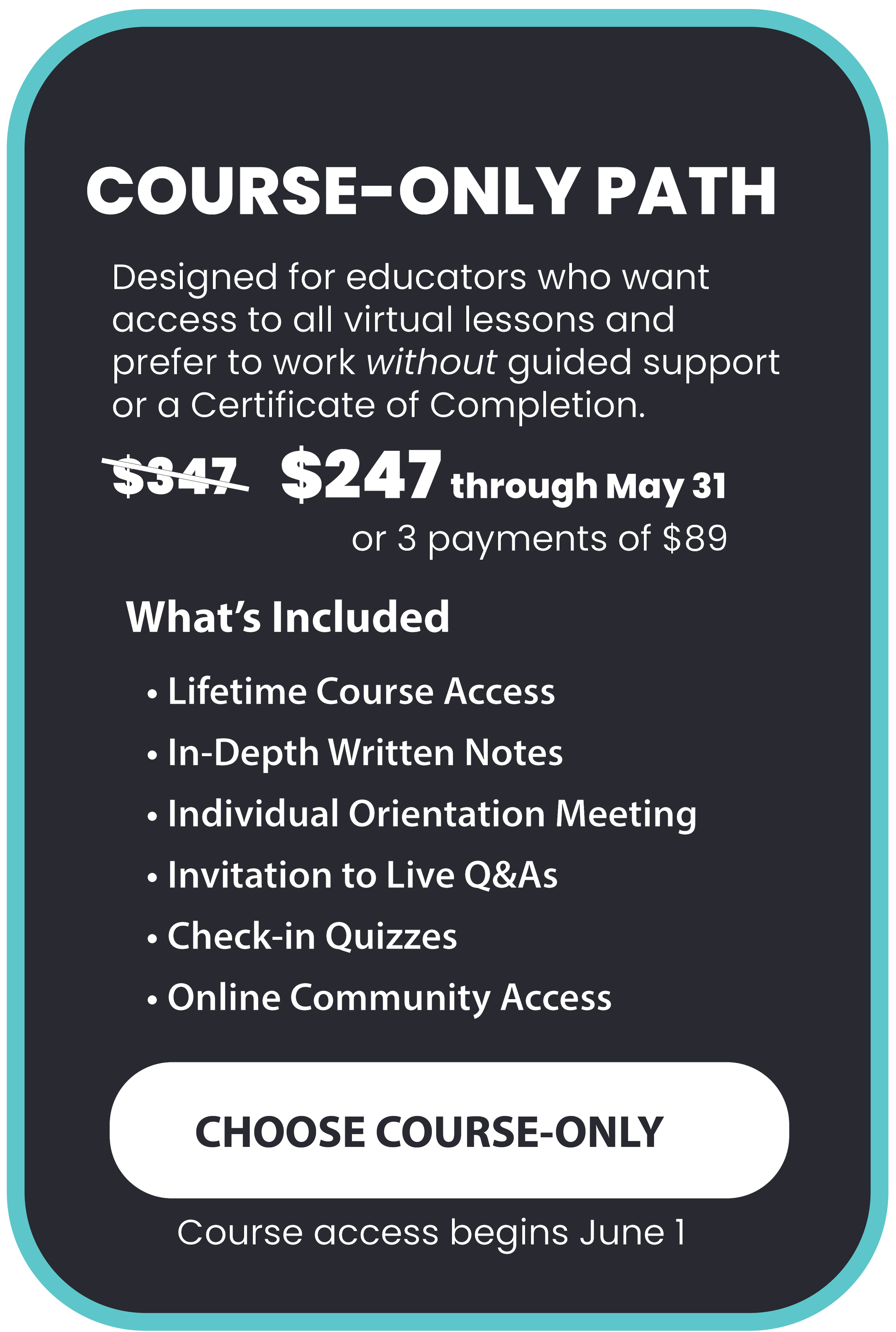
Enroll now to save $100 before the full course opens on June 1. Bonus materials are available immediately, and both paths are fully self-paced, so you can choose the support level that best aligns with your artistic and professional goals.
◉ BEGIN THE PRACTICE
Choose your path.
Need an invoice for your school? Contact us and we’ll be happy to help.
End-of-School-Year Discount Ends May 31
End-of-School-Year Discount Ends May 31

◉ JOIN THE COHORT
The first step toward certification.
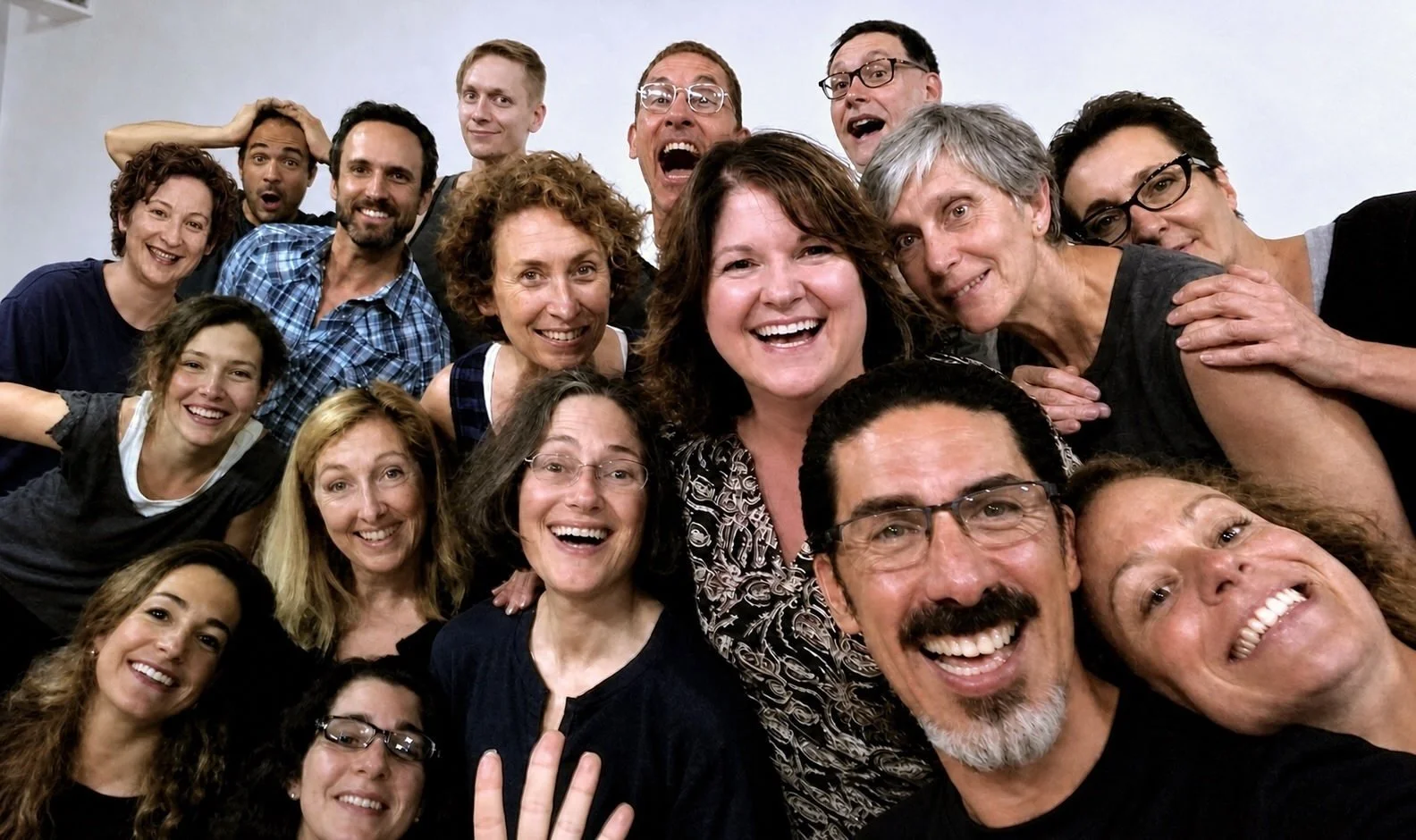
The Course-Plus Path is the prerequisite for the Margolis Method Certification Program. It lays the groundwork for fully engaging with a lively, committed cohort from across the country and abroad.
Certification is an annual hybrid experience, with ten virtual group sessions held from October through March, followed by a summer retreat week at the Margolis Method Center in Highland Lake, New York.
“By meeting over many months, you have the opportunity to really absorb the work, engage in a group setting, and receive invaluable one-on-one feedback. I’ve been trickling vocabulary and exercises into my classroom, and the results are immediate!”
—Matt Harbor Schwader, Associate Professor, Avila University
Interested in certification?
The Course-Plus Path is where the journey begins.
◉ GUARANTEE
Do the Work. Feel the Change. Or It’s On Us.
Engage fully with the course and spend time with the material.
If, within 30 days, you feel the course has not given you new tools, fresh perspectives, or a meaningful shift in your approach to actor training, we will refund your enrollment.
We believe in the integrity of this training—and we stand behind it.

◉ FREQUENTLY ASKED QUESTIONS
Everything you need to feel ready.
-
This is a 20-hour course offering an immersive, on-your-feet learning experience led by Kari Margolis, featuring demonstrations and insights by company members, pedagogical breakdowns of every study and improvisation, in-depth written notes, and optional quizzes to reinforce your learning. The Course-Plus Path includes one-on-one meetings with Kari and lead faculty.
Created to feel like an in-studio intensive, the course includes invited online participants who ask questions and contribute to the exploration, helping you feel part of an active, engaged cohort as you work. -
This course is for college and high school acting teachers, directors, vocal and singing coaches, and movement instructors who want practical tools to help students connect vocal and physical expression, develop a more responsive actor-instrument, identify and release acting tendencies, and gain fresh perspectives on interpreting and generating text, improvisational skills, and devising.
-
The course is designed for educators, but many actors find it deeply valuable as well — especially those who want to understand the why behind the work, create their own material, or eventually lead a room. If you’re an actor who wants a deeper relationship with Margolis Method, you’ll find a great deal here.
-
That’s absolutely fine. This course can support you now as a learner and later as an educator. The training gives you a strong foundation in Margolis Method, so when you step into the classroom, studio, or rehearsals, you’ll already have language, structure, and practical tools to draw from.
-
The course covers a complete, embodied approach to actor training, including physical and vocal integration, improvisational structures, text work, and practical pedagogy — giving you repeatable tools to build performance and teach with clarity and specificity.
-
The course is a 20-hour, self-paced online program. Each session includes guided exercises and improvisation structures, demonstrations, pedagogical breakdowns, and in-depth notes. There are optional one-on-one meetings for deeper application and feedback in the Course-Plus Path.
-
Each lesson is an immersive, on-your-feet experience combining guided physical work, demonstrations with company members, pedagogical breakdowns, and in-depth notes — designed to feel like an in-studio intensive.
-
Yes. You can move through the material on your own schedule, pause when needed, and return to the lessons and exercises as often as you like.
-
The course includes approximately 20 hours of training, divided into 10 thematic sessions. Each session contains 5 to 10 focused lessons you can complete at your own pace.
-
Yes. Enrollment includes access to The Activated Classroom online community inside the Margolis Method Network. You can create a profile, connect with other participants, ask questions, join course discussions, and engage with the larger Margolis Method community through live Q&As and other virtual events.
-
Early enrollment is now open! We are offering a $100 discount if you enroll by May 31. The course officially opens its doors and will be available on June 1. You’ll receive lifetime access, so you can begin whenever it’s convenient for you.
-
You will have lifetime access and can revisit the material whenever you want to refresh your teaching or return to a concept with new eyes.
-
You can! The course was designed for working educators. The material is broken into manageable sessions, and you’ll find you can begin using the work in your teaching immediately — even before you finish the full course.
-
Not at all. This course is designed as an entry point for educators who are new to Margolis Method, while still offering depth and structure for those who already know the training. So whether you’re brand new or already Margolis-curious, you’re in the right place.
-
This training meets you where you are, and every exercise can be modified as needed. The focus is not on being “in shape,” but on developing specificity, awareness, and a deeper understanding of how the body generates dramatic life. The body you currently occupy will do nicely.
-
Yes. The course is designed to be immediately applicable in college, conservatory, high school, and studio settings. You’ll leave with practical studies, clear language, and repeatable structures you can integrate into your syllabus and begin using in your teaching right away.
-
Because Margolis Method is not an abstract theory; it’s a physical training system with clear exercises, precise language, and reliable structures you can use right away. This course helps you see more, teach more clearly, and build more specific, alive, and dramatically compelling work in your students. It helps you move from seeing the potential in your students to knowing how to bring it forward.
-
You can take the course independently or choose the guided option, which includes one-on-one meetings with Kari Margolis and lead faculty.
These sessions are hosted on Zoom and give you space to ask questions, receive feedback, and get support as you apply the methodology in your own teaching. It also gives us the chance to work with you directly, which is one of our favorite parts.
Note: The guided option is a prerequisite for entering the Margolis Method Certification Program and is also available to educators seeking a deeper experience. -
Yes. This course is designed to be both a stand-alone experience and the prerequisite for the Margolis Method Certification Program. It provides educators with the foundational training needed before moving into certification. The guided option is required to receive a Certificate of Completion or enter the Certification Program. This is the place to begin if you’re interested in deeper study, guided mentorship, or the next phase of the training.
-
Absolutely!
For the Course-Only Path, you can choose either a one-time payment of $347 or three monthly payments of $122.
For the Course-Plus Path, you can choose either a one-time payment of $497 or three monthly payments of $175.
Both paths are eligible for a $100 discount when you enroll by May 31.
-
Yes. Engage fully with the course and spend time on the work. If, within 30 days from the purchase date, you do not feel that the course has given you meaningful new tools, a fresh perspective, or a shift in your approach to actor training, contact us, and we will refund your enrollment.
Still have questions?
You’ve got this.